


Produce Bags
Conwed™ Netting takes care of your produce packaging needs.
Producers, packers, and retailers understand the need to differentiate their packaging selection with exceptional design and functionality to grab consumers’ attention. Vexar™ produce bags are made from soft, flexible diamond mesh that can gently conform around delicate produce and is strong enough to contain and protect different loads. Furthermore, the open mesh design of our produce bags provides superior breathability and visibility to the contents in the produce bag.
Conwed can take care of all your packaging needs with our Vexar™ portfolio of products. We understand the need to differentiate your packaging with exceptional design and performance. Conwed offers the highest level of performance and the industry’s leading quality and food safety programs with 100% FDA-approved resins and colorants. Vexar is made from flexible but durable extruded plastic netting that gently conforms around delicate produce while providing the strength needed to contain and protect. Vexar net is freezer-safe and heat-compatible with an open mesh design that provides superior breathability and product visibility.
Each netting style is available in a range of standard pre-cut roll stock sizes and colors. We can also create special sizes, patterns, and designs whenever needed. We also offer Conwed™ Square netting and Naltex™ Diamond netting options.
Performance of Conwed's Produce & Header Bags
-
- Soft and flexible
- Easy-to-fill
- FDA-approved
- Strong yet lightweight
- Ideal for reinforcement
Conwed™ Netting Styles for Produce Packaging
- Extruded – Strong yet lightweight designs to keep products safe. Its open mesh design allows products to breathe by promoting air circulation and reducing condensation.
- Memory – Fine strand count netting with superior stretch and recovery functionalities that conform well to irregular shapes.
- Multi-strand – Multilayer reinforcement netting is a configuration formed by multiple layers of oriented netting laying one on top of another, creating a strong but lightweight mesh compatible with different substrates. It is an ideal alternative to other reinforcement materials such as cross-laminated fabrics, cross-laid scrims, knitted scrims, etc.
Differentiate Your Packaging with Conwed Capabilities for:
- Automation
- Branding & labeling
- Compostable
- Color options
- Build your own bags
- Engineering & design
- Variety of packaging styles
- Performance & product protection
- Stock produce bags

Naconet™ Compostable Netting for Produce Bags
In the packaging sector single-use plastic netting creates a significant waste stream. With rising awareness of plastic waste, governments and retailers are cracking down on single-use plastics.
Naconet™ is Conwed’s certified compostable packaging net that meet both functional and sustainability criteria.
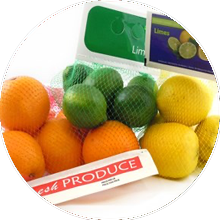
Vexar™ Header Bags
Vexar™ Header Bags are an exceptional option for retail packaging of produce, meats, and seafood products. They are called header bags because they have printed paperboard graphics for high-visibility merchandising. They are an excellent way to communicate with the consumer while allowing them to touch, see and smell the wrapped product. Vexar™ Header Bags maintain a tighter, more attractive cylinder shape when loaded, even in slanted displays. Our header bags are easy to load, can be closed with nearly any closure, and are available in various shapes to accommodate automated or hand-loading. In addition to generic labels, Conwed also offers customized header labels.
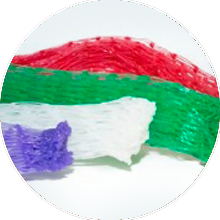
Vexar™ Heat Sealed Bags
Vexar™ Heat Sealed Bags are produce bags heat-sealed on one end. Our heat sealed bags are shipped with a loading tube for easy handling. These bags are also suitable for steaming or smoking seafood, meat, and poultry because the heat seal can withstand high temperatures.
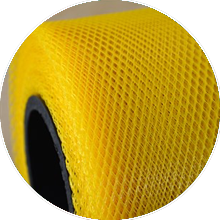
Vexar™ Flat Roll Stock
Vexar™ Flat Roll Stock offers a great alternative to incorporate Conwed™ Netting in your operation, using your preferred in-house packing method.
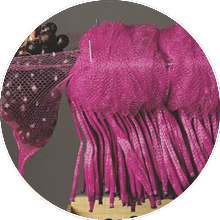
Vexar™ Wicketed Bags
Vexar™ Wicketed Bags are stacked and held together on a metal wicket that acts as a dispenser. There is a lip where two holes are punched, enabling the wicket to hold the bags. Wicketed bags are typically used for high-speed loading applications. Our wicketed bags are designed for easier and faster handling. Their fine netting strand count helps reduce produce debris and keeps retail displays cleaner. Wicketed bags are ideal for packing grapes, cherries, limes, plums, tomatoes, and other small-to-medium-sized produce.
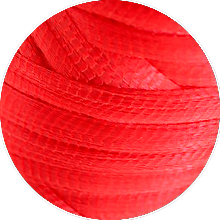
Vexar™ Rope Netting
Vexar™ Rope Netting is available in multi-strand netting configurations for fragile or soft-skinned produce. Conwed produces extruded mesh rope netting with superior breathability to minimize moisture damage in produce packaging. It promotes air circulation and helps reduce condensation, consequently extending shelf life.
Everything You Need to Know About Conwed’s Produce Bags
What are Conwed’s produce bags, and why should produce suppliers use them?
Conwed’s Vexar™ produce bags are soft, flexible plastic mesh bags designed to gently hold fresh produce without bruising, while still being strong enough to secure the contents. The net’s diamond-mesh pattern allows superior airflow and visibility – produce can “breathe” (reducing moisture and rot) and shoppers can see the contents clearly.
This combination of gentle protection and open visibility helps keep produce fresh and appealing. Moreover, Vexar netting’s exceptional design and functionality let produce packers differentiate their packaging and grab consumers’ attention in the marketplace. In short, Conwed’s produce bags offer a way to package fruits and vegetables that is both protective and marketing-friendly, making them highly attractive to produce suppliers.
What materials are these bags made of, and are they food-safe?
Conwed’s produce bags are made from a durable extruded plastic netting using only 100% FDA-approved resin materials and colorants.
In practical terms, this means the netting is a food-grade polymer safe for direct contact with produce. The material is flexible but tough, and it meets stringent food safety standards (Conwed upholds industry-leading quality and food safety programs).
Additionally, the netting is freezer-safe and heat-compatible – it won’t become brittle in cold storage and can even withstand high temperatures in applications like steaming or cooking within the bag. Produce suppliers can be confident that Vexar bags are both safe for food and engineered for reliable performance under various conditions.
What netting styles or technologies does Conwed offer for produce packaging?
Conwed offers several netting styles tailored to different needs in produce packaging:
dfasdf
-
Extruded netting: A strong yet lightweight single-layer net. Its open mesh promotes air circulation and reduces condensation, keeping products safe and fresh.
-
Memory netting: A fine-strand netting with superior stretch and recovery. It can expand and spring back, conforming well to irregular shapes (great for produce with odd shapes).
-
Multi-strand netting: A multi-layer (or multilayer) net where layers of oriented netting are bonded together. This creates an exceptionally strong but still lightweight mesh, often used for reinforcement or heavier contents. It serves as an ideal alternative to heavier reinforcement fabrics while remaining compatible with different substrates.
In addition, Conwed can produce different mesh patterns. For example, they offer Conwed™ Square netting (with a square-shaped mesh) and Naltex™ Diamond netting (a diamond-shaped mesh pattern), depending on the application. These variations in netting style and geometry allow produce suppliers to choose a solution that best fits the product’s requirements – whether the priority is maximum strength, snug fit, or airflow.
What types of produce bags does Conwed provide?
Conwed’s Vexar product line includes a range of packaging formats for produce, each suited to different uses. The main types of produce bags available are:
| Bag Type | Description & Key Features | Ideal Uses |
|---|---|---|
| Vexar™ Header Bags | Mesh bags with a printed paperboard header (or “header card”) at the top for branding and product info. The sturdy header allows high-visibility merchandising – consumers can see, touch, and even smell the produce through the open net while the header displays branding. These bags maintain a neat cylindrical shape when filled and can be closed with almost any type of bag closure. They are easy to load and work with both automated and hand-loading operations. Custom printed headers (with your logo or graphics) are available to help differentiate your product. | Retail display packaging for produce (as well as meats or seafood). Excellent for showcasing premium fruits and vegetables in grocery stores, where visual appeal and branding are important. |
| Vexar™ Heat-Sealed Bags | Mesh produce bags that are heat-sealed on one end. Each bundle of bags is shipped with a rigid loading tube, which makes it easier and quicker to fill them with produce. Because the bottom seal is strong and secure, these bags can even be used for cooking applications – for example, steaming or smoking shellfish or poultry inside the bag – since the heat seal won’t break under high temperatures. | Manual or automated bagging of produce where a pre-sealed end is convenient. Often used for produce that might be later cooked or treated (e.g. seafood, clams, or even boil-in-bag vegetables) thanks to its heat resistance. |
| Vexar™ Wicketed Bags | Produce bags that come stacked on a metal wicket (a u-shaped metal wire holder). Two small holes in the bag’s lip allow the wicket to hold and dispense them. This format is typically used for high-speed automatic filling, since bags can be quickly pulled from the wicket. Conwed’s wicketed bags have a fine netting strand count that minimizes produce debris (like stems or leaves falling out) and keeps displays cleaner. They are designed for very fast, efficient loading and handling. Common uses include packing smaller produce items such as grapes, cherries, limes, plums, tomatoes – essentially any small-to-medium produce that is packed in bulk. | |
| Vexar™ Flat Roll Stock | Continuous netting supplied on a roll (not pre-cut into individual bags). This allows produce companies to use Conwed’s netting with their preferred in-house packaging method. For instance, you can feed the roll of netting into automated bag-making machinery or custom packaging setups to form your own bags or wraps. | Highly flexible use – ideal if you have specialized packing equipment or want to create custom bag sizes on the fly. It lets you integrate Conwed’s netting into virtually any packaging process (automated or manual) as a raw material. |
| Vexar™ Rope Netting | A unique netting format featuring an extruded mesh in a rope-like, tubular configuration. It is made with a multi-strand construction, giving it extra reinforcement while remaining very flexible. Rope netting offers superior breathability around the packed produce, which helps prevent moisture accumulation. By reducing condensation and “sweating” inside the package, it can extend the shelf life of fragile or soft-skinned produce. | Best for packing very fragile produce or items with delicate skins that are prone to damage or mold. For example, certain soft fruits or specialty produce benefit from the gentle, highly breathable enclosure of rope netting. It’s also useful when maximum air circulation is needed to keep produce fresh. |
All of these bag formats are available in a range of standard sizes and colors, and Conwed can also create special sizes, mesh patterns, and designs if you have unique requirements. This means whether you need a small net bag for a few ounces of berries or a large, heavy-duty net for bulk onions, Conwed can provide a suitable solution. Each style is designed to optimize some combination of strength, flexibility, breathability, and ease-of-use, so you can choose the bag type that best fits your particular crop and packing process.
Can Conwed produce bags be customized to my needs (e.g. specific sizes, colors, or branding)?
Yes. Customization is a key capability of Conwed’s produce packaging solutions. There is a broad selection of standard netting sizes and colors, but you can also request custom configurations.
Conwed can manufacture the netting in special dimensions (width, length of bags), with custom mesh patterns or densities, and in custom colors beyond their standard palette. We even offer both the typical diamond mesh and a square mesh pattern option, depending on your preference.
In terms of branding, you can incorporate your own labels or logos on the packaging – for instance, header bags can have customized printed cards with your brand and product information. Color-coding the netting to match your brand or to differentiate products is another popular option.
Essentially, Conwed provides engineering and design support to help “build your own bags” – we’ll work with you to tailor the netting product to fit your automation, labeling, and performance needs. This could mean adjusting the netting strength for a heavier product, creating a unique bag shape or closure style, or developing a compostable version (see next question) that meets your sustainability goals. The result is a packaging solution that is not one-size-fits-all, but rather one that aligns perfectly with your produce and brand requirements.
Do you offer sustainable or compostable produce bag options?
Yes, Conwed has been innovating sustainable netting solutions. We offer bio-based and industrially compostable netting options for produce packaging. This compostable netting is made from 100% bio-based materials but still delivers the same reliable strength and performance as conventional plastic netting – so you don’t have to sacrifice functionality for eco-friendliness.
Using compostable bags can help produce suppliers reduce plastic waste and meet environmentally conscious consumers’ demands, since these nets can break down in industrial composting facilities over time.
In addition to compostable materials, Conwed also provides netting made with recycled content – for example, up to 30% post-consumer recycled plastic is used in some netting products. Those recycled-content nets still offer the same strength and reliability, while helping to “close the loop” by reusing plastic and lowering the packaging’s carbon footprint.
In summary, if sustainability is a priority, Conwed can supply produce bags that align with green initiatives (from compostable nets to high-recycled-content nets), all while maintaining the quality needed for protecting produce.
How do Conwed’s produce bags help keep fruits and vegetables fresh and protected?
The design of Conwed’s netting is highly oriented toward maintaining produce quality. The open mesh of the bags ensures plenty of air circulation around the produce, which reduces condensation and moisture buildup that could cause mold or spoilage. By allowing the produce to “breathe,” the netting prevents the kind of humid, sealed environment that often shortens shelf life in traditional plastic bags. For example, produce like onions stored in mesh bags tend to keep better because excess moisture can escape, preventing rot and sprouting.
Additionally, the netting’s flexibility means it conforms to the shape of the produce, rather than squeezing it – this gentle containment helps avoid bruises and pressure damage, especially for delicate items like ripe tomatoes or peaches. Conwed’s specialized net options (like rope netting) further enhance freshness by minimizing moisture damage and even extending shelf life for sensitive produce.
In short, these bags protect produce physically while also creating a favorable micro-environment (well-ventilated and dry) that keeps fruits and vegetables fresh longer during transit and display.
Can Conwed’s produce bags be used with automated packing equipment?
Absolutely. Conwed designs its produce packaging products with automation in mind. Many of the bag styles (such as wicketed bags) are intended for high-speed machine filling – a wicketed bag pack can be mounted on an automatic bagging machine, allowing bags to be fed rapidly one after another for stuffing with produce. In fact, Vexar wicketed bags are specifically used in industry for their ease of handling in automated systems, improving packing rates for items like small fruits.
Similarly, header bags are made to accommodate automated bag loaders (as well as manual loading) by having the appropriate shape and opening features.
Conwed also supplies flat roll stock netting, which can integrate directly with your own automated bag-making or wrapping machinery. Customers can form and seal the netting from a roll in-line, which is ideal for automation.
Moreover, Conwed’s netting products are known to serve as “drop-in” replacements on automated bagging equipment – they work seamlessly with standard clipping or sealing machines without requiring significant adjustments. Whether you’re using clip-style net baggers, heat-sealers, or other automated systems, Conwed’s engineering team can help ensure the netting runs smoothly on your line. This means you get the efficiency of automation along with the benefits of the netting material.
How do these net bags compare to traditional produce packaging like poly bags or clamshells?
Conwed’s netting-based bags offer several clear advantages over solid plastic bags or clamshell containers commonly used for produce:
- Better product visibility: Netting provides nearly 360° visibility of the contents. Shoppers can easily see the quality of the fruits or vegetables through the mesh, without needing to handle or open the package. (By contrast, poly bags often fog up or obscure the product, and clamshells show only certain angles.) The open design can even allow customers to smell and touch the produce if appropriate, enhancing the sensory appeal. This transparency builds consumer trust that the produce is fresh and high-quality.
- Superior airflow and freshness: Unlike sealed plastic, mesh bags let air circulate. This ventilation means less humidity and ethylene build-up around the produce, which helps maintain freshness and appearance. For example, citrus fruits or onions in net bags are less likely to mold or sprout compared to those in non-breathable packaging.
- Much less material (lightweight & eco-friendly): Net bags use significantly less plastic material than full plastic bags or rigid containers – in fact, 50–90% less plastic is used, by weight, compared to an equivalent poly bag or clamshell. The mesh is mostly open space, yet still securely contains the produce. This makes the packaging more resource-efficient and often more cost-effective, and it appeals to eco-conscious buyers due to the reduction in plastic waste.
- Strong and flexible: Even with less material, Conwed’s netting is engineered for strength. These bags can hold heavy produce loads (even bulk root vegetables like potatoes or oranges) without tearing, thanks to the high tensile strength of the woven plastic strands. At the same time, the flexible mesh conforms to the contents, so it can adapt to irregularly shaped produce and won’t crack like rigid plastic might. This gives the net bags a durability advantage in transport and handling – they are less prone to bursting if dropped or overfilled, for example.
Overall, compared to traditional packaging, Conwed’s produce net bags provide a lighter, more breathable, and product-friendly solution. They allow produce suppliers to showcase their goods in an attractive way, keep the contents in better condition, and use less plastic – all without compromising on strength or convenience. Each of these factors can contribute to lower costs (through reduced spoilage and material use) and higher customer satisfaction.