


Naconet™ – Compostable Netting
Protect the Environment.
Comply with Tomorrow’s Standards – Today.
Bring innovation and sustainability to your applications with Conwed’s Naconet™ compostable netting solution. Made from biopolymers, Naconet™ delivers the strength, processing performance, and handling characteristics customers expect from conventional plastic netting while helping reduce reliance on traditional plastics across agriculture, turf, erosion control, packaging, and related applications.
High Performance Meets Sustainability
At Conwed, we understand that you shouldn’t have to choose between high performance and sustainability. Naconet™ delivers unmatched reliability and eco-friendliness, allowing you to maximize efficiency while meeting your environmental goals – means, you’re not loosing any performance with our latest development.
.
Naconet™ vs. Conventional Plastic Netting:
A Smarter, Sustainable Alternative
Looking for a high-performance netting solution that doesn’t compromise the planet? Meet Naconet™ – an industrial compostable, extruded netting that delivers the same strength and reliability as traditional plastic netting, without the environmental cost.
.
- Certified Compostable
Naconet™ supports a verified compostable end-of-life pathway under appropriate industrial composting conditions. Certification testing evaluates disintegration, ecotoxicity, compost quality, and regulated metal content. Designed to break down into water, carbon dioxide, and biomass, this product is non-toxic and free from harmful chemicals, helping protect soil health and support compost quality while helping eliminate persistent microplastics associated with conventional plastic netting.
. - Exceeds Industry Compostability Requirements
ASTM D6400 requires materials to achieve at least 90% biodegradation within 180 days under controlled composting conditions. Naconet™ achieved greater than 99.9% biodegradation in just 84 days, significantly exceeding the standard’s requirements and demonstrating its ability to break down efficiently in industrial composting environments.
-
Engineered for Performance
Naconet™ is designed to match the tensile strength and flexibility of plastic netting. Whether used in agriculture, packaging, erosion control, green roofing, or sod & turf – it performs reliably throughout its intended lifespan.
. -
Regulatory Ready
As regulations and sustainability initiatives continue to evolve, Naconet™ provides a certified compostable netting solution that can help organizations meet environmental objectives and support compliance efforts where compostable materials are desired.
. -
Consistent and Equipment-Friendly
Compared to natural fiber alternatives like jute or coir, Naconet™ offers greater consistency, smoother handling, and compatibility with modern machinery. It’s a truly compostable solution – without microplastics
.
Naconet™ delivers all the benefits of conventional plastic netting – support, containment, and protection – without the environmental downsides. It’s the smart, sustainable choice for industries ready to align performance with purpose.
Why Choose Naconet?
-
- Made from biopolymers
- Industrial compostable
- Certified by BPI ASTM 6400
- Breaks down into CO₂, water, and biomass
- Non-toxic and safe for soil, water, plants, animals, and food contact
- Compatible with standard netting and packaging equipment
- Manufactured in the USA and Europe for global availability and reduced emissions
Naconet™ is certified by BPI
Our Naconet™ compostable netting is proudly certified according to the BPI ASTM D6400 standard. This certification confirms that Naconet™ meets rigorous requirements for industrial compostability, ensuring it breaks down safely and completely in commercial composting facilities – supporting a more sustainable future.
Benefits of Conwed's Naconet™ - our compostable netting

100% Industrial Compostable
Made from BPI certified compostable materials that break down into CO₂, water, and biomass – leaving no plastic waste or microplastics behind.

Regulatory Compliance & Future-Readiness
Meeting global compostability standards, helping businesses stay ahead of tightening plastic regulations.

Strong, Reliable Performance
Engineered for durability and reinforcement across diverse applications – from agriculture and aquaculture to packaging and erosion control.

Safe for the Environment
Non-toxic and free from harmful chemicals to protect the soil, support healthy plants growth.

Global Manufacturing in the USA & Europe
Produced in both North America and Europe to ensure consistent quality, regional availability, and reduced transportation emissions – supporting your sustainability goals worldwide.
Join the Green Revolution in Your Industry with Naconet™
Switching to Conwed’s industrial compostable Naconet™ netting solutions is a smart move toward more sustainable operations.
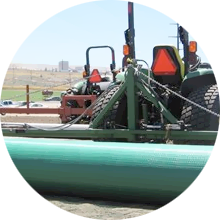
Sod & Turf: Sustainable Production & Installation
Naconet™ offers a clean, high-performance alternative to traditional plastic sod netting. It provides the necessary structural support during turf production and installation while offering a different end-of-life profile than conventional plastic reinforcement. For turf growers, landscapers, golf courses, and sports field managers, Naconet helps maintain turf performance while reducing concerns around long-term plastic persistence and persistent microplastics.

Erosion Control: Compostable Nets for Soil Stabilization
Naconet™ provides reliable reinforcement for erosion control blankets, mats, and other soil stabilization products while offering a certified industrial compostable alternative to conventional synthetic netting. It helps support vegetation establishment and erosion control performance during critical growth periods while offering a different end-of-life profile than traditional plastic netting. For infrastructure, restoration, and conservation projects, Naconet™ combines proven performance with sustainability objectives.
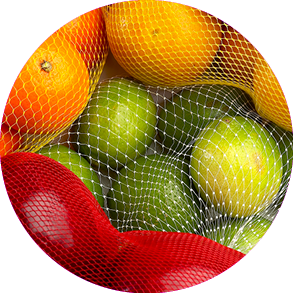
Packaging: Compostable Produce & Product Netting
Naconet™ is a certified industrial compostable netting solution for produce and product packaging. It delivers the strength, breathability, visibility, and handling characteristics expected from conventional packaging netting while supporting compostable waste-stream management. In applications where packaging remains integrated with food waste and other organic materials, Naconet™ may help simplify end-of-life management by eliminating the need to separate netting from compostable materials. Ideal for brands seeking to align packaging performance with sustainability goals.

Crop & Animal Protection: Safe Nets for Agriculture and Livestock
Naconet™ is a compostable netting solution for agricultural and horticultural applications where conventional plastic netting is used for crop protection, nursery products, vineyard operations, and specialty containment applications. Designed to deliver the durability and functionality growers rely on, Naconet provides a certified industrial compostable alternative that helps reduce long-term plastic persistence without disrupting existing farming practices. For producers looking to balance productivity with sustainability, Naconet™ offers a practical path forward.
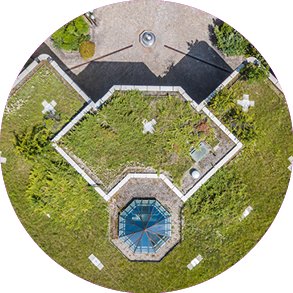
Green Roofing: Eco-Friendly Erosion Control on Roofs
Naconet™ is a compostable netting solution for green roofs, providing reliable erosion control and soil stabilization during vegetation establishment. Designed for sloped and vegetated roof systems, it delivers the performance of conventional synthetic netting while offering a different end-of-life profile. For sustainable building projects, Naconet™ helps align environmental objectives with proven netting performance, supporting greener infrastructure without compromising functionality.

Everything You Need to Know About Naconet™,
Conwed’s Compostable Netting Solution
What is Naconet™ compostable netting?
Naconet™ is an industrial compostable netting made from biopolymers and engineered as an alternative to conventional plastic netting. Developed by Conwed’s R&D team, Naconet is designed to deliver the strength, processing performance, and handling characteristics required across applications such as sod, turf, erosion control, packaging, and other markets where netting reinforcement is needed.
Designed as a like-for-like alternative to conventional plastic netting, Naconet allows customers to continue using familiar equipment, processes, and handling methods while incorporating a netting solution with a different end-of-life profile. Certified by BPI to meet ASTM D6400 requirements for industrial compostability, Naconet is designed to break down into water, carbon dioxide, and biomass under industrial composting conditions.
What is Naconet™ made from (what’s the raw material)?
Naconet™ is made from advanced biopolymers, including plant-derived materials such as polylactic acid (PLA), a polymer produced from renewable agricultural feedstocks. These materials are engineered to provide the strength and processing characteristics required for demanding netting applications while supporting industrial compostability.
Plant-derived biopolymers such as PLA originate from renewable resources that capture carbon from the atmosphere through photosynthesis. Designed to break down into water, carbon dioxide, and biomass, Naconet combines proven netting performance with a different end-of-life profile than conventional plastic netting.
PLA is part of the same family of bioplastics commonly used in compostable food-service products and certain medical applications, demonstrating its versatility and proven performance. The result is a netting solution that is strong in use, yet designed with sustainability in mind, helping eliminate persistent microplastics without sacrificing performance.
Is Naconet™ really compostable and does it fully degrade?
Yes. Naconet™ is certified by the Biodegradable Products Institute (BPI) to meet the ASTM D6400 standard for industrial compostability. This certification verifies that the material meets established requirements for disintegration, compostability performance, compost quality, ecotoxicity, and regulated metal content under industrial composting conditions.
Importantly, Naconet™ doesn’t just meet the ASTM D6400 requirements, it substantially exceeds them. ASTM D6400 requires materials to achieve at least 90% conversion under prescribed composting conditions within 180 days. During certification testing, Naconet achieved greater than 99.9% conversion in just 84 days under controlled industrial composting conditions. Under these conditions, Naconet™ is designed to break down into carbon dioxide, water, and biomass without leaving persistent microplastics behind. Certification testing also helps ensure the resulting compost supports plant growth and compost quality.
It is important to distinguish industrial composting from typical field or soil conditions. Industrial composting provides carefully controlled temperature, moisture, and microbial activity that accelerate the composting process. In soil environments, degradation occurs more gradually and will vary based on site conditions, climate, moisture, and biological activity. Unlike conventional plastic netting, which can persist in the environment long after its functional life, Naconet™ is engineered to break down over time, helping eliminate persistent microplastics while delivering the strength and performance expected from conventional plastic netting.
How does Naconet™ compare to traditional plastic netting?
Naconet™ was designed to match or exceed the performance of traditional plastic netting while offering a different end-of-life profile.
Here’s a side-by-side comparison across key factors:
| Aspect | Naconet™ Compostable Netting | Traditional Plastic Netting |
| Material Source | Made from biopolymers, including plant-derived materials such as PLA. | Typically made from synthetic polymers such as polypropylene (PP) |
| Compostability | BPI-certified industrial compostable – breaks down into CO₂, water, and biomass. | Not compostable |
| Persistent Microplastics | Designed to break down over time without leaving persistent microplastics |
Can contribute to persistent microplastics if left unmanaged in the environment. |
| In-Use Performance | Provides the strength, processing performance, and handling characteristics required for demanding netting applications while maintaining integrity throughout its functional life. |
Proven strength and durability across a wide range of applications. |
| End-of-Life Considerations | Supports industrial composting pathways where available. In soil environments, the material is engineered to break down over time, although degradation rates will vary based on environmental conditions and application. |
Traditional plastic netting provides long-term durability and may require collection, disposal, recycling, or other end-of-life management depending on the application. |
| Cost & Lifecycle | Upfront material costs may be higher than conventional plastic netting due to specialized biopolymer materials and compostability requirements. In some applications, customers may realize additional value through sustainability objectives, industrial compostability, or reduced end-of-life management requirements compared with conventional plastic netting | Generally offers a lower upfront material cost and a long history of proven performance across a wide range of applications. Depending on the application, lifecycle considerations may include collection, removal, disposal, recycling, or other end-of-life management activities. |
As shown above, Naconet™ delivers the same essential functions (strength, support, ease of use) that users expect from plastic netting. Both solutions provide effective reinforcement and support across a wide range of applications.
The primary difference comes after the product’s functional life. Naconet™ is certified industrial compostable and designed to break down into carbon dioxide, water, and biomass under industrial composting conditions. In soil environments, degradation occurs more gradually and depends on factors such as temperature, moisture, and microbial activity, but the material is engineered to break down over time rather than persist indefinitely. The result is a netting solution that helps eliminate persistent microplastics while maintaining the performance expected from conventional plastic netting.
Do I need to remove Naconet™ netting after use, or how do I dispose of it?
Naconet™ is a BPI-certified industrial compostable netting that offers additional end-of-life options compared to conventional plastic netting. How it should be managed after use depends on the specific application, project requirements, and local regulations.
Where industrial composting facilities are available, Naconet can be directed into an appropriate composting stream. Under industrial composting conditions, the material is designed to break down into carbon dioxide, water, and biomass.
In applications where Naconet remains integrated with compostable materials such as sod, vegetation, food waste, produce packaging, or other organic materials, industrial compostability may help simplify end-of-life management. Rather than separating netting from the surrounding organic material, the entire system may be suitable for management through industrial composting pathways, depending on the application and local infrastructure.
In soil environments, degradation occurs more gradually than under industrial composting conditions and is influenced by factors such as temperature, moisture, microbial activity, and the specific application. While degradation rates will vary, Naconet is engineered to break down over time rather than persist indefinitely like conventional plastic netting.
Unlike conventional plastic netting, which may require removal, disposal, recycling, or other end-of-life management activities depending on the application, Naconet provides a certified industrial compostable alternative designed to help eliminate persistent microplastics.
As with any material, customers should follow project specifications, site requirements, and local regulations when determining whether netting should remain in place, be removed, composted, or otherwise managed at the end of its functional life.
Is Naconet™ certified or compliant with sustainability standards (compostability, etc.)?
Yes. Naconet™ is certified by the Biodegradable Products Institute (BPI) to meet the ASTM D6400 standard for industrial compostability. This certification provides independent, third-party verification that the material meets established requirements for compostability under industrial composting conditions.
As part of the certification process, Naconet is evaluated for disintegration, compostability performance, ecotoxicity, compost quality, and regulated metal content. These requirements help ensure that the material performs as intended in industrial composting systems and that the resulting compost supports compost quality and plant growth.
Naconet not only meets ASTM D6400 requirements, but substantially exceeds them. While the standard requires materials to achieve at least 90% conversion under prescribed composting conditions within 180 days, Naconet achieved greater than 99.9% conversion in just 84 days during certification testing.
The BPI certification provides customers with confidence that Naconet has been independently evaluated against recognized industry standards for industrial compostability. For organizations pursuing sustainability initiatives, seeking certified compostable materials, or looking to reduce long-term plastic persistence, Naconet offers a verified alternative to conventional plastic netting.
In short, Naconet’s sustainability credentials are backed by recognized third-party certification, rigorous testing, and demonstrated compostability performance.
What are the main applications or industries where Naconet™ can be used?
Naconet™ is a versatile netting solution that can replace plastic mesh in a wide range of industries and uses. It was initially developed with agriculture and landscaping in mind, but its applications are broad wherever netting is needed. Key use cases include:
- Turf & Sod Farming: Naconet™ can be used as reinforcement netting in sod production, helping stabilize turf during cultivation, harvest, transport, and installation. Traditionally, sod reinforcement netting remains integrated within the turf long after installation. Naconet™ provides the same reinforcement performance while offering a different end-of-life profile, as the material is engineered to break down over time rather than persist indefinitely in the soil. Suitable for residential lawns, commercial landscaping, golf courses, parks, and sports fields.
- Erosion Control & Land Restoration: Naconet™ can be incorporated into erosion control blankets, mats, and related products used on slopes, construction sites, transportation corridors, and land restoration projects. It provides reinforcement during vegetation establishment while offering an industrial compostable alternative to conventional synthetic netting. Suitable for highway embankments, landscaping projects, levees, and other applications where erosion control performance and sustainability objectives are both important.
- Agriculture & Horticulture: Farmers and growers can use Naconet™ in place of conventional plastic netting for a variety of applications. Naconet™ is suitable for crop protection nets and trellis netting (supporting climbing plants, protecting orchards from birds, etc.). Vineyard netting, nursery plant nets, and other horticultural applications are additional potential uses, helping agriculture reduce reliance on conventional plastic netting. If netting is inadvertently lost or left in the field, Naconet is engineered to break down over time rather than persist indefinitely like conventional plastic netting, helping reduce long-term plastic persistence and persistent microplastics.
- Produce & Product Packaging: Packaging netting (those mesh bags for fruits, vegetables, shellfish, or even toy balls) is another area. Naconet™ technology can be made into flexible net packaging for items like onions, citrus fruits, potatoes, or seafood, providing breathability and protection just like current poly nets. A key benefit is that the entire net bag is industrially compostable, supporting composting pathways where packaging remains integrated with food waste and other organic waste streams. This can help simplify end-of-life management by eliminating the need to separate netting from compostable materials.
- Horticulture & Retail Garden Products: Naconet™ can be used in garden center products, including root ball containment, plant support systems, garden netting, and climbing vine support. It is also suitable for nursery, landscaping, and retail garden applications where customers are seeking industrial compostable alternatives to conventional plastic netting. Additional potential uses include temporary fencing, protective netting, and other specialty horticultural applications.
- Specialty Netting Applications: Any application currently utilizing conventional extruded plastic netting may be a candidate for Naconet™, particularly where customers are seeking certified industrial compostable alternatives or solutions designed to help eliminate persistent microplastics.
In essence, any application that currently uses extruded plastic netting may be a candidate for Naconet™. It is designed as a “drop-in” replacement in terms of dimensions, processing, and performance, with standard roll sizes and configurations compatible with existing equipment and manufacturing processes.
From large-scale infrastructure projects to everyday farm, garden, and packaging applications, Naconet™ offers a way to maintain functionality while transitioning to more sustainable materials. By incorporating Naconet™ into these applications, industries such as agriculture, landscaping, construction, and packaging can support sustainability initiatives and reduce reliance on conventional plastic netting without disrupting existing operations.
What are the environmental and sustainability benefits of switching to Naconet™?
Adopting Naconet™ compostable netting yields major sustainability benefits compared to sticking with plastic netting.
Here are the key environmental upsides:
- Helps Eliminate Persistent Microplastics: One of the most significant benefits of Naconet™ is helping eliminate persistent microplastics associated with conventional plastic netting. Traditional plastic netting can remain in the environment long after its functional life and may eventually fragment into smaller plastic particles. Naconet™, by contrast, is engineered to break down over time rather than persist indefinitely, helping prevent the accumulation of persistent microplastics in soil and the environment.
- Certified Industrial Compostability: Naconet™ is certified by the Biodegradable Products Institute (BPI) to meet ASTM D6400 requirements for industrial compostability. This independent third-party certification verifies that the material has been evaluated for disintegration, compostability performance, compost quality, ecotoxicity, and regulated metal content.
- Supports Compostable End-of-Life Pathways: In applications where Naconet™ remains integrated with compostable materials such as sod, vegetation, food waste, or other organic materials, industrial compostability can support composting pathways without requiring netting to be separated from the surrounding organic waste stream. This may simplify end-of-life management in certain applications and support diversion from traditional disposal pathways.
- Supports Compost Quality: As part of BPI certification testing, compost containing degraded Naconet™ was evaluated for seed germination and plant growth. The resulting compost supported healthy plant growth and demonstrated germination performance comparable to, and in some cases slightly better than, the control compost, helping verify that the material performs as intended within industrial composting systems.
- Supports Sustainability Goals and Brand Image: Sustainability is increasingly becoming a competitive differentiator across industries. Whether you’re a sod producer, erosion control contractor, agricultural grower, land developer, or packaging manufacturer, adopting Naconet™ demonstrates a commitment to reducing long-term plastic persistence and embracing more sustainable material solutions.
Customers, retailers, municipalities, and project owners are increasingly seeking products that align with their environmental goals. Incorporating a certified industrial compostable netting can strengthen sustainability messaging, support environmental stewardship initiatives, and help differentiate products and services in a crowded marketplace. In some cases, sustainable material choices may even help organizations win business, satisfy procurement preferences, or meet customer expectations for more environmentally responsible solutions.
- Performance Without Compromise: Perhaps the biggest practical sustainability benefit is that customers do not have to sacrifice functionality to pursue sustainability goals. Naconet™ was engineered to deliver the strength, processing performance, and handling characteristics required for demanding netting applications while offering a certified industrial compostable alternative.
In sum, the shift to Naconet™ transforms netting from a source of pollution to a sustainable part of your product lifecycle. You’ll be addressing the very issues that have made plastic netting problematic – from microplastics and wildlife safety to carbon emissions and waste. The benefit is twofold: environmental responsibility and operational practicality. You reduce your carbon and waste footprint, and you do so without sacrificing performance. It’s a rare chance to do what’s right for the planet and improve efficiency (no cleanups, no disposal headaches). For current users of plastic netting who want to minimize their ecological impact, Naconet™ offers a compelling solution that checks all the boxes for sustainability.
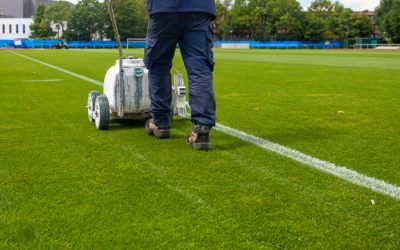
Why Use Netting for Sports & Recreation Turf?
Challenges of Sports & Recreational Turf From championship sports fields to neighborhood parks, maintaining vibrant, resilient grass is a constant challenge. These surfaces face intense foot traffic, equipment loads, and environmental stress. Without...
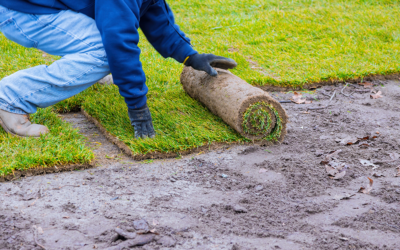
How Sod Netting Accelerates Turf Production and Installation
The Quest for Fast, Beautiful Lawns In the residential and commercial landscaping world, time and quality are everything. Homeowners and facility managers want lush, green lawns immediately, not months down the road. To meet this demand, sod - pre-grown grass - has...
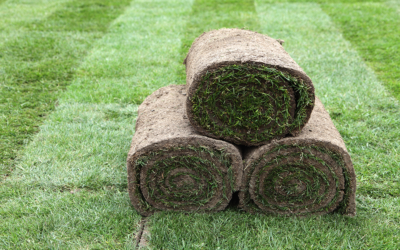
Turf Netting Secures Slopes & Infrastructure Projects
Protecting Slopes & Critical Infrastructure Large-scale infrastructure projects (highways, dams, levees, etc.) often involve earthworks and highly vulnerable slopes. Exposed soil can erode rapidly under rainfall and wind, jeopardizing structures and causing...
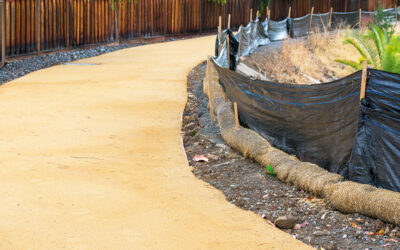
Sediment Control & Runoff: Fiber Rolls, Netting, and Sustainable Solutions
Understanding sediment runoff and its challenges When soil is disturbed by construction or land clearing, rain can turn it into a flowing mass of mud, carrying sediment into rivers, lakes, and storm drains. Sediment-laden runoff is a serious problem: it pollutes...
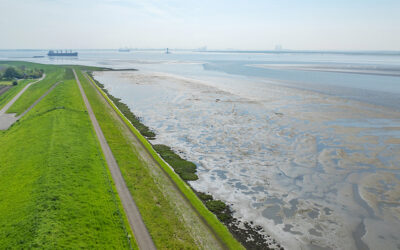
Channel & Shoreline Protection: Permanent Mats Reinforcing Nature’s Armor
Understanding Channel & Shoreline Erosion Fast-flowing water is one of nature’s most powerful eroding forces. Channels, streambanks, and shorelines endure continuous hydraulic pressure - from steady currents to periodic floods and wave action. When unprotected,...

Erosion Control Blankets: Safeguarding Slopes, Seeding New Growth
Understanding Soil Erosion and Why It Matters Soil erosion is the process by which topsoil is worn away by wind or water, often accelerated by construction, agriculture, or loss of vegetation. Uncontrolled erosion can have serious impacts on both nature and...