


Crop and Animal Protection Netting
Conwed™ Netting helps safeguard your agriculture or animal farming operations.
Conwed™ Crop and Animal Protection Netting is the ideal material to contain and protect your valuable assets in agricultural farming, harvest protection, livestock farming, nurseries, tree farms, horticulture, landscaping, arboriculture, agroforestry, and viticulture/winegrowing.
To increase the odds of success, farmers worldwide trust Conwed™ Netting to protect their crops and animals from unwanted predators and weather elements. From vineyards and fruit orchards to poultry farms and wildlife control, our plastic netting offers strong, lightweight, and durable features.
Typical crops that benefit from protection netting may include fruits, vegetables, vines, trees, flowers, and shrubs. Our crop and animal protection netting can also be used in mole, vole, rabbit, bat, bird and pest control, building protection, and more.
Performance
-
- Easy-to-install
- Protects animals from harm
- Strong, lightweight plastic mesh is an alternative to wire
- Variety of sizes, weights, and colors
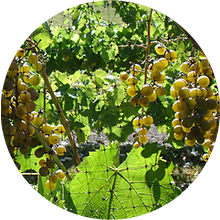
Conwed™ Square Netting for Bird Control
Conwed™ Square Netting for Bird Control is a plastic mesh that works as a deterring barrier to keep valuable harvests intact. It can be draped or suspended as a canopy or cover to protect crops. It is easy to use and removable by hand or with simple equipment for net installation. Furthermore, the thin strands allow sunlight to reach the crops while providing vital tensile strength to maintain integrity.
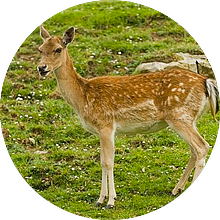
Conwed™ Deer Fence
Our strong, lightweight Conwed™ Deer Fence is a long-lasting plastic alternative to wire. This fence is cost-effective, rust-proof, temperature-resistant, chemically inert, flexible, strong, and tailored to various specifications. We manufacture deer fences with UV stabilizers for durable, easy-to-install configurations.
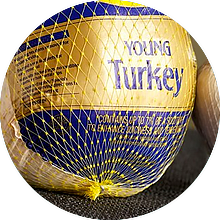
Conwed™ Plastic Mesh
Our Conwed™ Plastic Mesh provides predator protection, maximum air circulation, and breathability to keep poultry safe and healthy. Poultry protection plastic mesh net is rustproof, temperature-resistant, chemically inert, flexible, yet firm and can be tailored to meet specific performance requirements. Other materials used in poultry protection can clog or build up with feathers, animal dandruff, and other particles, which often become the source of disease. The open mesh creates a breathable barrier that prevents clogging and helps the grower implement better control of the poultry operation.
Did you know, our crop & animal protection nettings are available in a bio-based, compostable version?
Crop & animal protection nettings no longer have to compromise between performance and sustainability. With Conwed’s Naconet™ compostable, BPI-certified netting solutions, you can maintain high efficiency in securing your nettings for bird control, crop, and animal protection while significantly reducing environmental impact. Learn more why integrating compostable netting into your operations can be a game-changer.
Everything You Need to Know About Conwed’s Crop & Animal Protection Netting Solutions
What is Conwed Crop and Animal Protection Netting, and why do I need it?
Conwed’s Crop and Animal Protection Netting is a line of strong, lightweight plastic mesh products designed to safeguard crops and farm animals from pests, predators, and even harsh weather. In agricultural settings ranging from fruit orchards and vineyards to livestock pens and poultry farms, these nets act as protective barriers to keep out birds, deer, and other critters that can damage crops or harm animals.
By installing the netting over or around your valuable assets (fields, gardens, animal enclosures, etc.), farmers and growers worldwide reduce crop losses and prevent injuries to livestock.
In short, Conwed’s netting helps protect what you grow and raise – whether that’s keeping hungry birds from ruining a harvest or stopping deer and rabbits from invading a field – thereby increasing your odds of a successful yield and healthy animals.
What types of crop and animal protection netting does Conwed offer?
Conwed offers several netting solutions tailored to different agricultural challenges. The primary product types include bird control netting, deer fencing, and poultry (animal enclosure) mesh, each engineered for a specific use:
-
Bird Control Netting: A flexible plastic mesh used to cover orchards, vineyards, or other crops as a canopy or drape, creating a barrier that keeps birds from pecking at fruits and vegetables. It’s lightweight, easy to spread over crops and remove by hand when not needed. The mesh’s thin strands let sunlight and rain through, so it protects your harvest without hindering plant growth.
-
Deer Fence: A durable plastic fencing used to block deer and other larger wildlife from entering fields, orchards, or gardens. It serves as a long-lasting alternative to traditional metal wire fencing. Despite its light weight, it’s very strong – engineered to resist stretching or tearing – and is rust-proof and UV-stabilized for outdoor longevity. This fence is also cost-effective and easy to install, making it ideal for perimeter protection without the hassle of heavy steel fencing.
| Product Type | Typical Applications | Key Benefits |
|---|---|---|
| Bird Control Netting | Drape or canopy over orchards, vineyards, berry patches, and gardens to prevent birds from eating or damaging crops. | Easy to install and remove (lightweight mesh); thin strands won’t block sunshine or rainfall for plants; effectively keeps birds and bats away from fruit and crops, reducing losses. |
| Deer Fencing | Perimeter fencing around fields, orchards, nurseries, and properties to keep out deer and other large wildlife. Often used to protect vineyards, vegetable farms, tree saplings, and landscaping from browsing animals. | Strong, long-lasting plastic alternative to wire fencing; will not rust or corrode (great for all weather); UV-stabilized for sun exposure; lightweight and flexible for easier handling yet tough enough to stop deer. |
What are the benefits of using Conwed netting on my farm? Why choose these nets over traditional materials?
Conwed’s agricultural netting provides a range of benefits that help make farming and livestock management easier and more effective:
-
Easy Handling & Installation: All Conwed nets are designed to be easy to install, even for one person. The nets are lightweight and flexible, so you can drape or hang them without heavy equipment. Many configurations come ready to deploy and can be simply secured with basic tools or ties. For example, the bird control netting can be rolled out over crops and later removed by hand or with simple equipment for storage. This means quicker setup and takedown compared to traditional wire or wood barriers.
-
Lightweight but Strong: Despite being much lighter than metal fencing, Conwed’s plastic mesh is surprisingly strong and tear-resistant. It provides reliable protection against animals and environmental stress. In fact, the nets are engineered as a durable alternative to wire – for instance, the deer fence offers strength comparable to metal fencing without the weight, hassle, or risk of rust. This strength-to-weight advantage makes the nets safer and easier to work with, and also more portable if you need to move them.
-
No Rust, No Rot, Low Maintenance: Being made of high-quality plastic, the netting will not rust like metal or rot like organic materials. Rain and humidity won’t degrade it; it’s also chemically inert, meaning farm chemicals or fertilizers won’t easily damage it. Conwed fences are UV-stabilized for sun exposure, so they resist breakdown from sunlight and last for many seasons outdoors. They can handle wide temperature ranges (from freezing winters to hot summers) without becoming brittle or sagging, ensuring long-lasting use with minimal upkeep. All of this translates to a product you can install and essentially “set and forget,” with only routine checks.
-
Protects Animals and Plants Safely: Conwed netting is built to protect your livestock and crops without harming them. Unlike barbed wire or sharp metal fencing, the plastic mesh has smooth edges – so if animals rub against it, they’re less likely to be injured. The nets effectively keep predators out (for example, stopping hawks from reaching chickens, or foxes from entering a pen) and at the same time keep your animals safely enclosed. For crops, the mesh provides a gentler barrier than hard materials; it’s flexible and gentle even on delicate plants like vines or blossoms, preventing damage to the very produce you’re trying to save. In sum, you get security without introducing new hazards to your farm.
-
Preserves Light and Airflow: A key advantage of Conwed’s netting design is that it does not stifle your crops or animals’ environment. The meshes are engineered with openings that let essential elements through. For instance, the bird net’s thin strands allow sunlight, air, and rain to reach your crops, so your plants can continue to thrive underneath. Similarly, the poultry mesh’s open weave lets air circulate freely, avoiding the “stuffy,” unhealthy conditions that can occur in enclosed coops. By using netting, you create a protective enclosure that is still open and breathable, maintaining a natural environment for growth.
-
Customizable and Versatile: Conwed offers a variety of sizes, weights, mesh densities, and even colors of netting, so you can choose the product that best fits your needs. Whether you need a fine mesh to keep small birds or bats out of a cherry tree, or a heavy-duty fence for deer around a large field, there’s likely a Conwed netting solution that matches. The nets can often be cut or adjusted to fit specific areas, and Conwed can tailor certain products to meet specific performance requirements if you have unique needs. This versatility means one supplier can cover many of your farm protection use cases.
-
Cost-Effective: By preventing losses of crops or animals, netting quickly pays for itself. It’s also generally more affordable and easier to transport than metal fencing, especially over large areas. Because it’s durable and reusable season after season, you get a long service life, spreading out the investment. (Conwed’s deer fence, for example, is highlighted as a cost-effective solution compared to traditional wire fencing.) Additionally, installation and removal tend to require less labor and time, which can save costs in farm operations.
Is Conwed netting easy to install and use? Do I need special equipment?
Yes – one of the great advantages of Conwed’s netting is how easy it is to work with. The nets are engineered to be user-friendly for farmers and installers:
-
Quick Setup: You can install the netting with minimal tools. For example, Conwed’s bird control netting can simply be draped or hung over crops by hand, and their fencing nets can be attached to posts or supports using basic ties or staples. The material is lightweight and flexible, so one or two people can often handle installation without heavy machinery.
-
Easy Removal & Reuse: The netting is just as easy to take down as it is to put up. It doesn’t tangle or snag excessively, and it’s sturdy enough to be gathered up and stored for future use. In fact, the bird netting is specifically noted as removable by hand or with simple equipment, making off-season removal straightforward.
-
No Special Skills Required: You don’t need to be a fencing expert – if you can hang a curtain or stretch a garden hose, you can likely install Conwed netting. It’s less hazardous to handle than barbed wire or metal mesh (no sharp edges), which makes the process safer and faster. Many customers find that they can put the nets in place themselves, or with a small team, without hiring specialized installers.
-
Flexible Fit: Because the netting is pliable, it conforms to various shapes of trellises, frames, or enclosures. You can cut it to the needed size with basic shears and secure it where necessary. This flexibility means it adapts well to uneven ground or irregularly shaped areas that might be challenging for rigid fencing.
In summary, Conwed netting is designed for quick, hassle-free installation. Even large areas like orchard rows or long fence lines can be covered in a relatively short time. This ease-of-use lets you deploy protection right when and where you need it, and move or adjust the nets as your needs change.
How durable is this netting outdoors? Will it last through tough weather and multiple seasons?
Absolutely. Conwed’s crop and animal protection nets are built for durability and long-term outdoor use. Here’s what ensures their longevity:
-
UV and Weather Resistance: The netting material includes UV stabilizers, which means it’s treated to resist damage from sunlight. Even under strong UV exposure (which can typically weaken plastics), Conwed nets maintain their strength for extended periods. They also handle rain, snow, and temperature extremes very well. For instance, the plastic is stable in a wide temperature range (from harsh winter cold to summer heat) without cracking or becoming brittle.
-
Strong, High-Quality Materials: The nets are made from tough plastic resins that give them a high tensile strength (the deer fence and similar products are explicitly designed to be as strong as comparable metal fencing). They won’t tear easily under stress. You can expect them to withstand the force of animals pushing against them or heavy produce hanging on them (in the case of crop netting) without ripping when properly installed.
-
No Rust or Corrosion: Unlike metal wire or mesh, plastic netting will not rust or corrode over time. This is a big factor in durability – you can leave the netting exposed to rain and humidity and it won’t weaken due to rust spots or rot. The chemical inertness of the material means it also isn’t degraded by fertilizers, farm chemicals, or soil.
-
Long-Lasting Performance: Many Conwed netting products are described as “long-lasting” for use in agriculture. With proper care (like storing nets in a shed during the off-season if they’re not in use), you can get multiple years of service from the same net. Even if left out year-round, the nets are built to provide season after season of protection before you might need a replacement.
-
Rugged Design Elements: The design of the mesh (whether it’s the square pattern of the bird net or the diamond/oval patterns of fencing) is optimized to distribute stress and resist stretching. This means the netting won’t easily deform or sag over time. For example, Conwed’s fencing nets are made to mimic the performance of metal chain-link fencing, so they hold up under impact and weight similarly, yet bounce back without permanent bends.
Will the netting hurt my plants or animals? Does it block sunlight or air flow to crops?
Conwed’s netting is designed to protect, not harm. It’s meant to be as unobtrusive as possible for your plants and animals, while still providing protection:
-
Gentle on Plants: The netting material is very plant-friendly. It’s flexible and smooth, so it won’t cut into bark or stems. In fact, Conwed notes that their netting is “remarkably gentle to even the most delicate blooms and blossoms,” which means you can cover flowering plants or fruit without worrying about damage. Many growers use the netting directly on fruit trees or shrubs when needed, and the plants continue to grow naturally beneath it.
-
Allows Sunlight and Rain: The mesh is intentionally made with thin strands and appropriate spacing so that sunlight, rain, and air can pass through easily. For example, the bird control netting’s “thin strands allow sunlight to reach the crops” – your plants still get the light they need for photosynthesis. Water from irrigation or rainfall will drip through the nets to the soil. You won’t create a “greenhouse effect” or deprive your crops of natural elements; the net is only there to block pests, not the essentials for growth.
-
Good Air Circulation: Especially with the poultry mesh and other fine nettings, the design focuses on breathability. The open mesh allows air flow so that heat and humidity don’t build up excessively. For animals like chickens or plants in a covered row, this ventilation is crucial to prevent overheating and to reduce mold or disease. The netting won’t suffocate your crops or animals – air moves freely, keeping the environment healthy.
-
Safe for Animals: There are no barbs or sharp wires on the plastic netting, so it’s far less likely to injure an animal that comes in contact with it. Livestock such as cows, horses, or deer that might push against a fence won’t get cut by thin metal strands, since Conwed’s fence mesh is smooth and gives a little on impact. Similarly, birds that might land on the bird netting will simply bounce off or fly away, unharmed. The material is also non-toxic (chemically inert), so even if an animal were to nibble or peck at it out of curiosity, it won’t be poisoned (though ingesting plastic is never advisable, the point is the material itself isn’t treated with harmful chemicals).
-
Prevents Predator Attacks and Injuries: By keeping predators out, the netting actually protects your animals from harm. For example, using poultry netting around a chicken coop can prevent a fox or hawk from getting to your chickens. Also, because the netting replaces things like barbed wire in some cases, it prevents the kind of injuries animals can get from entangling or cutting themselves on those older fence types. It’s a safer containment method all around.
Does Conwed offer netting for other agricultural needs beyond crop and animal protection?
Yes, Conwed offers a complete line of agricultural netting solutions beyond just crop and livestock protection. The company’s portfolio covers many facets of farming and horticulture. Here are some other key netting products in Conwed’s agriculture range:
-
Garden & Nursery Netting: Used to safeguard flowers, garden plants, and nursery stock. This netting protects delicate plants from pests like insects, birds, deer, and rabbits, and can also serve as a supportive trellis for climbing plants. It’s very gentle on tender plants, helping gardeners and growers during all stages of plant growth.
-
Tree & Shrub Netting: Netting designed for tree farms and landscaping needs, particularly to contain branches and foliage. This is often used when shipping or transporting trees and shrubs – the netting wraps around the foliage to prevent damage and keep branches from flailing, while still allowing the plants to breathe. It’s also useful for protecting young trees from pests or for trunk protection.
-
Turf & Sod Netting: A reinforcement mesh for turf growers. When growing sod (turf grass that will be rolled up for transplant), this netting is embedded to strengthen the sod. It helps the grass mats hold together when lifted, enables higher yields and easier handling, and protects the turf during harvesting, transportation, and installation. It effectively reduces waste (less turf tearing apart) and can improve growth by stabilizing the soil.
-
Aquaculture Netting: Nets used in fish farming and aquaculture operations. These are typically nets for fish cages or pens, used to contain fish or other aquatic creatures (like in a fish farm for salmon, or shrimp, etc.). Conwed’s aquaculture nets are designed to resist water degradation and fouling, while ensuring the containment and protection of stock in oceans, ponds, or tanks.

Hidden Benefits
The Unexpected Benefits of Switching to Naconet™ Certified Industrial Compostable Netting When businesses consider switching to sustainable materials, they usually weigh the obvious environmental benefits against factors like cost and performance. What often gets...
Regulatory Readiness
The World Is Moving Beyond Traditional Plastic - Are You Ready? Take a look at the headlines, sustainability commitments, and policy discussions emerging across the globe, and a clear message comes through: expectations around plastics and material sustainability are...
Globally Certified. Globally Trusted.
In the sustainability arena, credibility is currency. With new materials and environmental claims emerging worldwide, professionals need to know which claims they can trust. One of the questions we often hear is, "How do I know Naconet™ does what it says it will do?"...
Compostable Means Complete Breakdown – And Naconet™ Sets the Standard
The word “compostable” is popping up everywhere, but what does it truly mean, and why does it matter? In the sustainability conversation, terms like “eco-friendly” and “biodegradable” are often used loosely, sometimes creating confusion or even greenwashing. Many...
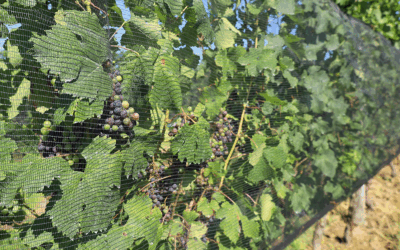
Bird Netting for Agriculture: Protecting Crops Efficiently
The Challenge: Bird Pressure on Crops For fruit, berry, and vegetable growers worldwide, birds are a persistent and costly challenge. They feed on ripening crops, often causing 5–10% yield losses, with even higher impacts in high‑value produce. Beyond volume loss,...

Interview: Behind the Innovation – how Naconet™ was born
A Conversation with James Sandy, Sr. Director Sales for Conwed at Mativ As the world moves toward sustainable materials, innovation is key.We sat down with James, to talk about the development of Naconet™ - the company’s new compostable netting solution that’s already...