


Extruded Netting
Precision-engineered plastic mesh for critical applications – from protecting products and separating materials to reinforcing components – across industries.
Extruded Netting refers to plastic mesh produced through a continuous extrusion process, forming integrally bonded joints for outstanding strength and structural integrity. These high-performance nets provide exceptional strength and durability while remaining lightweight, delivering reliable protection, containment, separation, and reinforcement in countless industrial and commercial applications..
Engineered for Specific Performance Requirements
Our extruded netting portfolio spans Extruded Square Netting, Extruded Diamond Netting, and Flat Netting, each engineered for specific performance requirements and use cases.
Extruded Square Netting provides a robust, stable mesh ideal for product protection and separation, serving needs from automotive components and parts protection to filtration media, infrastructure, and construction materials.
Extruded Diamond Netting features a bi-planar (diamond-shaped) mesh that offers superior flexibility and consistent material flow. It serves as a stretchable yet durable layer in hygiene and apparel products, provides gentle but secure packaging for delicate parts and produce, and acts as an efficient support mesh in filtration and composite manufacturing processes.
Flat Netting is an extruded square mesh with smooth, flat joints (uniform strand intersections), providing a level, snag-free surface that enhances safety and protects sensitive materials – for example, flat-net fencing is easier to handle with no sharp edges, and flat mesh layers prevent abrasions on delicate objects or facilitate smooth bonding in composite laminates.
Conwed’s Extruded Netting Products
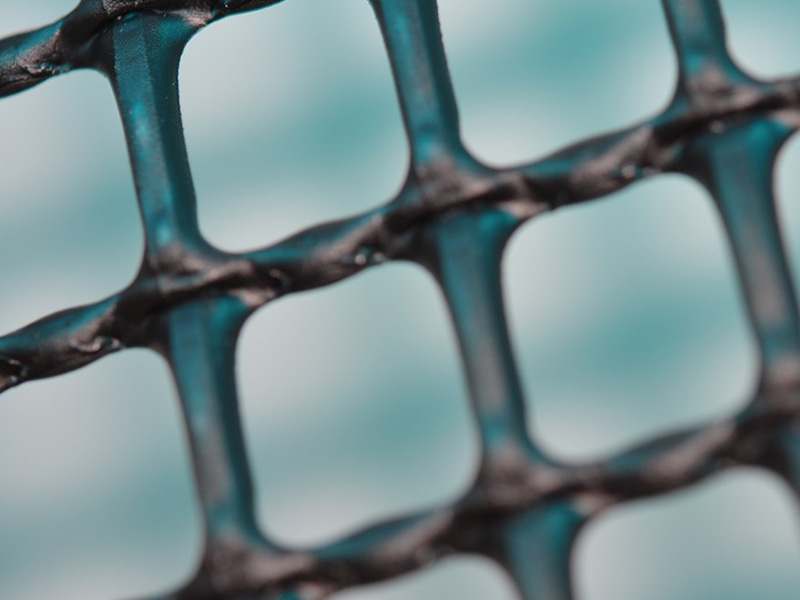
Extruded Square Netting
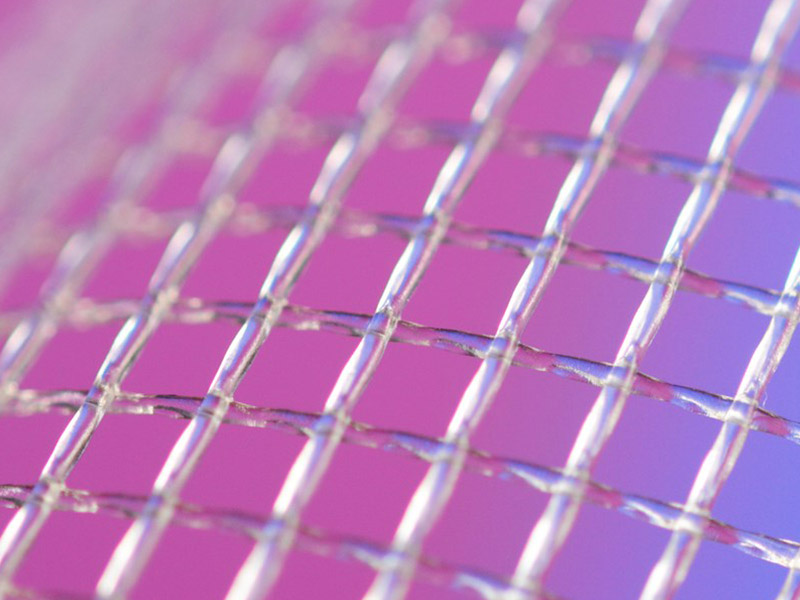
Extruded Diamond Netting
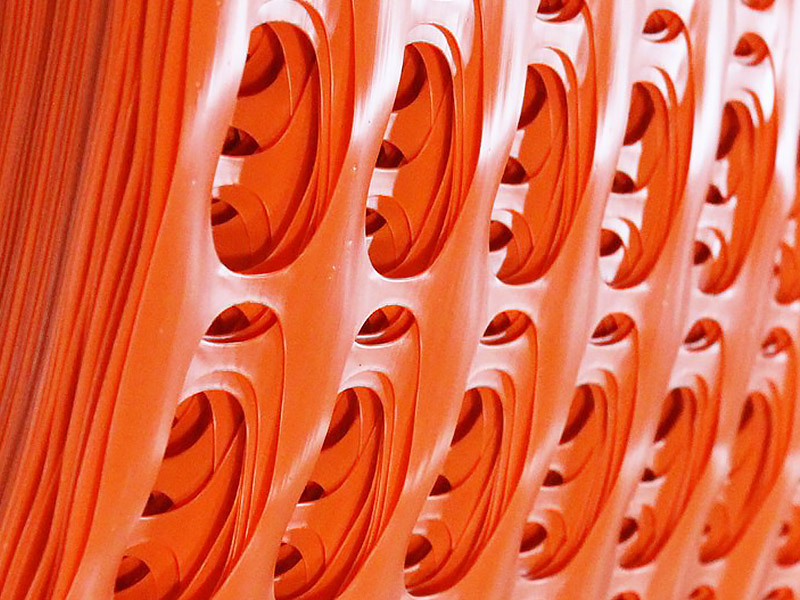
Flat Netting

Sediment Control & Runoff: Fiber Rolls, Netting, and Sustainable Solutions
Understanding sediment runoff and its challenges When soil is disturbed by construction or land clearing, rain can turn it into a flowing mass of mud, carrying sediment into rivers, lakes, and storm drains. Sediment-laden runoff is a serious problem: it pollutes...
Channel & Shoreline Protection: Permanent Mats Reinforcing Nature’s Armor
Understanding Channel & Shoreline Erosion Fast-flowing water is one of nature’s most powerful eroding forces. Channels, streambanks, and shorelines endure continuous hydraulic pressure - from steady currents to periodic floods and wave action. When unprotected,...

Erosion Control Blankets: Safeguarding Slopes, Seeding New Growth
Understanding Soil Erosion and Why It Matters Soil erosion is the process by which topsoil is worn away by wind or water, often accelerated by construction, agriculture, or loss of vegetation. Uncontrolled erosion can have serious impacts on both nature and...
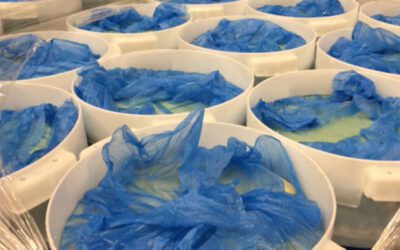
From Field to Packaging – The diversity of Netting & Mesh in Food Processing
From the moment raw ingredients leave the field to the final packaged product on the shelf, netting and mesh materials play unseen but essential roles throughout food processing. These versatile materials improve efficiency, product protection, hygiene, and...

The Three Core Functions of Furniture Netting
Modern upholstered furniture is made up of complex material systems: foams, fibers, fabrics, nonwovens, and structural components all working together. To ensure these materials perform reliably over the lifetime of the furniture, manufacturers rely on a versatile but...
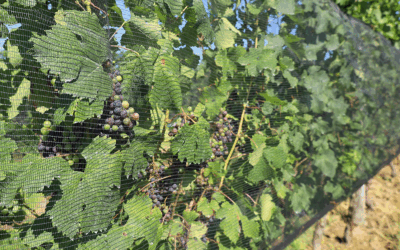
Bird Netting for Agriculture: Protecting Crops Efficiently
The Challenge: Bird Pressure on Crops For fruit, berry, and vegetable growers worldwide, birds are a persistent and costly challenge. They feed on ripening crops, often causing 5–10% yield losses, with even higher impacts in high‑value produce. Beyond volume loss,...