


Conwed™ Netting Configurations
Every product application requires precise netting designs to achieve target performance.
Conwed has a portfolio of netting configurations from which modifications can be made until the most suitable product is identified. In addition to square, flat, and diamond netting, Conwed also manufactures specialty products such as extruded cylinder tubes, co-extrusion, bi-component, and multilayer netting, allowing us to offer a versatile netting portfolio.
Conwed Netting Types
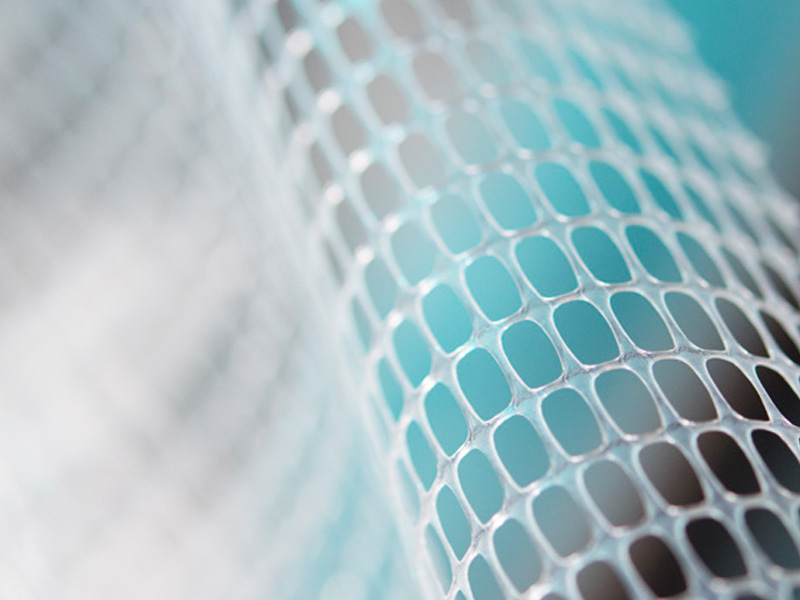
Conwed™ Square Netting
Square netting is a standard configuration in our extrusion process. Mesh angles are 90°, and strands run transversely in Machine and Cross Directions. Square netting can be subsequently oriented to create lighter-weight yet strong configurations
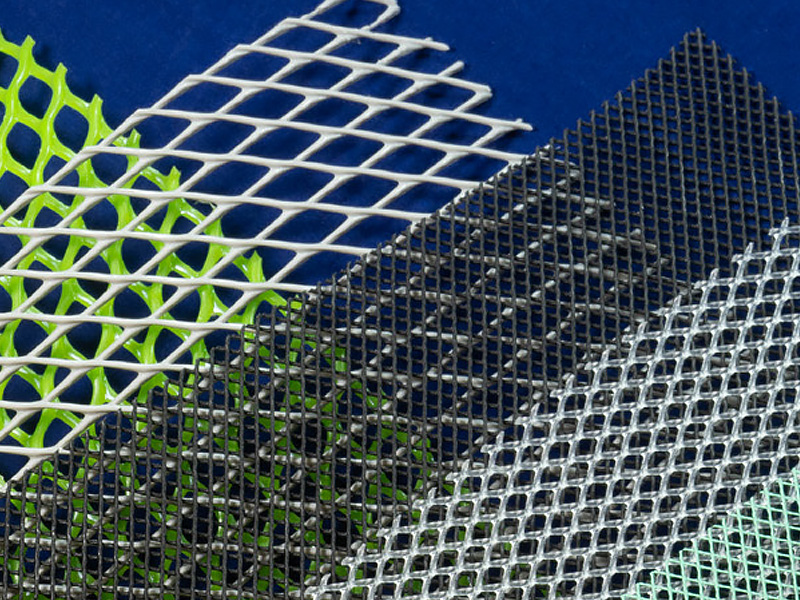
Conwed™ Diamond Netting
This is an extruded netting with a diamond shape configuration. One major difference between square and diamond netting is that diamond netting is bi-planer.. The strands appear to run diagonally in both Machine and Cross Directions to form the diamond mesh design.
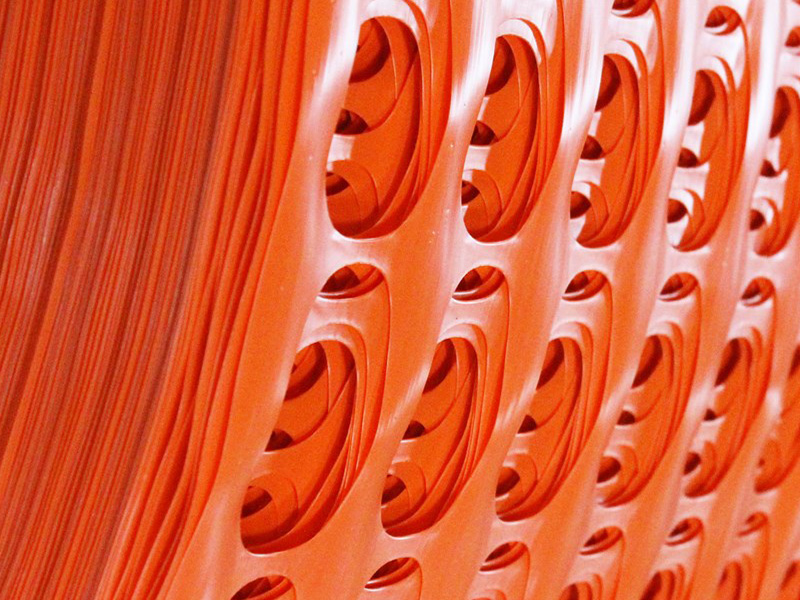
Conwed™ Flat Netting
Flat netting is a square netting configuration with flat joints and uniform thickness. A flat surface can be designed during the extrusion process, or it can also be achieved by calendering an extruded square netting. Each process delivers different flat netting configurations and performance functionalities.
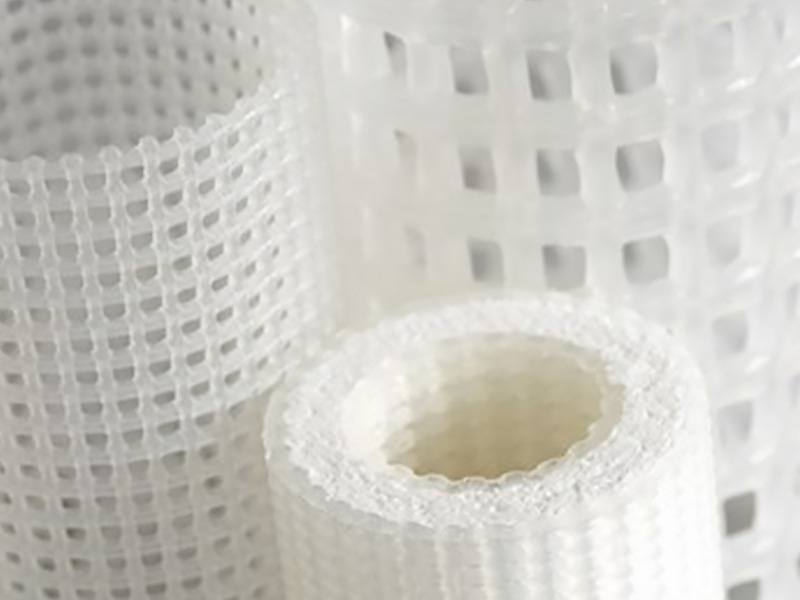
Conwed™ Extruded Cylinder Tube
It is an extruded plastic tube in cylinder form made in a continuous extrusion process that yields a material with integral joints. All of our extruded cylinder tubes have a square mesh configuration. Unlike seamed netting tubes, extruded cylinder tubes are stronger because of their consistent cylindrical shape made in one single step.
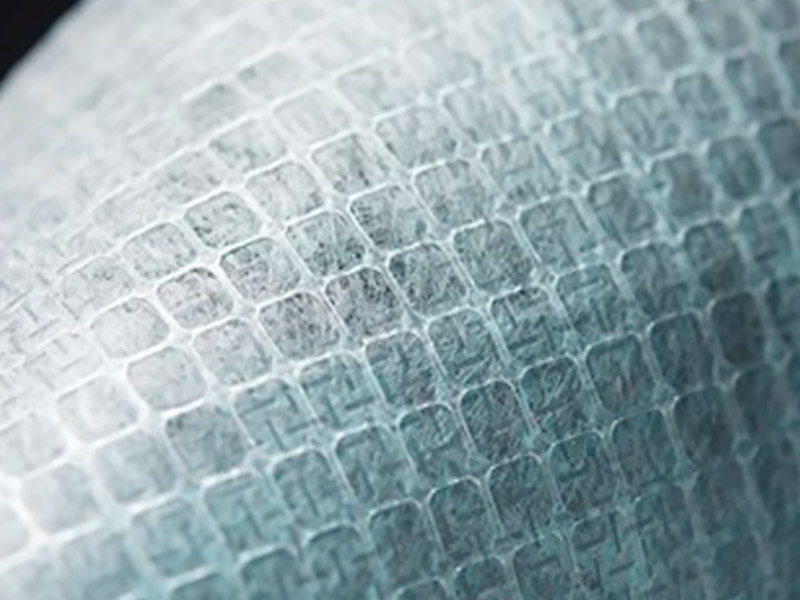
Conwed™ Co-Extrusion Netting
Co-extrusion is a multi-layer extruded netting that can subsequently be oriented where different polymers can form different layers on the same configuration. It is a square netting construction, and Conwed can build netting with A/B, A/B/A, and A/B/C layer combinations.
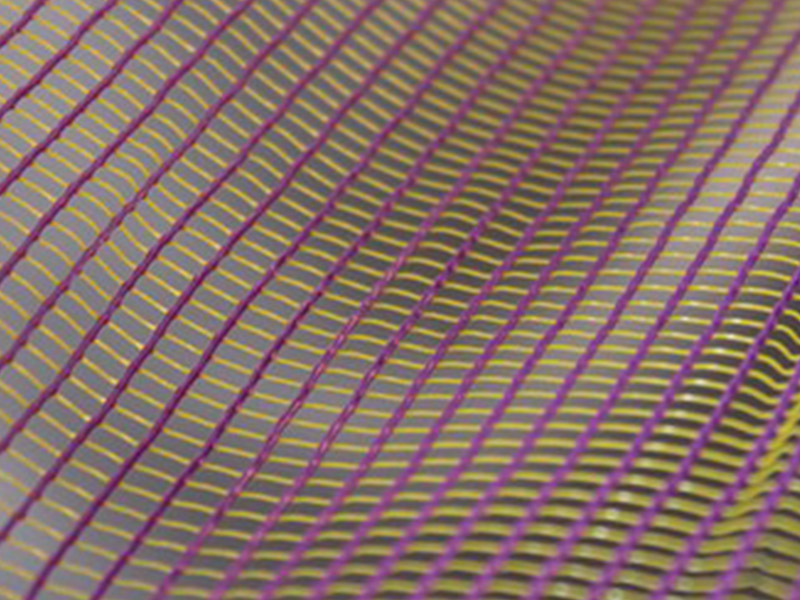
Conwed™ Bi-Component Netting
Bi-component netting is made of two materials, one in each opposite direction, forming the web. Conwed can combine different, compatible resins in the same netting configuration but in opposite directions.
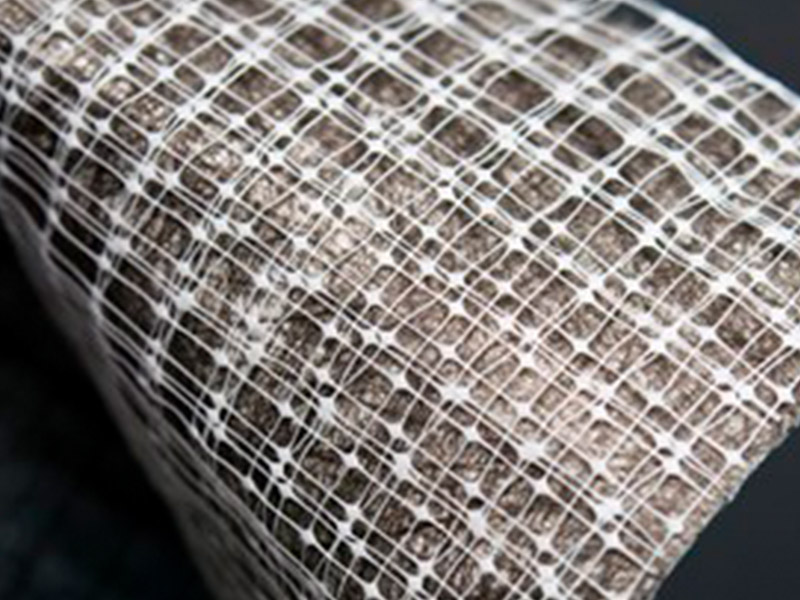
Conwed™ Multilayer Netting
Multilayer netting is a configuration formed by multiple layers of oriented netting laying one on top of another, creating a strong but lightweight mesh compatible with different substrates. It is an ideal alternative to other reinforcement materials such as cross-laminated fabrics, cross-laid scrims, and knitted scrims.

Why Use Netting for Sports & Recreation Turf?
Challenges of Sports & Recreational Turf From championship sports fields to neighborhood parks, maintaining vibrant, resilient grass is a constant challenge. These surfaces face intense foot traffic, equipment loads, and environmental stress. Without...
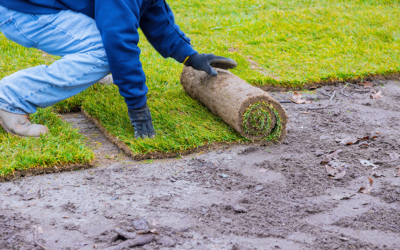
How Sod Netting Accelerates Turf Production and Installation
The Quest for Fast, Beautiful Lawns In the residential and commercial landscaping world, time and quality are everything. Homeowners and facility managers want lush, green lawns immediately, not months down the road. To meet this demand, sod - pre-grown grass - has...
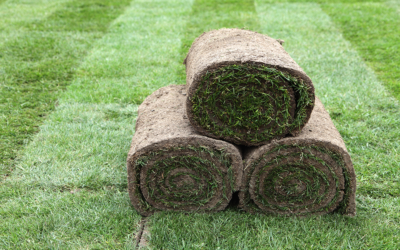
Turf Netting Secures Slopes & Infrastructure Projects
Protecting Slopes & Critical Infrastructure Large-scale infrastructure projects (highways, dams, levees, etc.) often involve earthworks and highly vulnerable slopes. Exposed soil can erode rapidly under rainfall and wind, jeopardizing structures and causing...

Sediment Control & Runoff: Fiber Rolls, Netting, and Sustainable Solutions
Understanding sediment runoff and its challenges When soil is disturbed by construction or land clearing, rain can turn it into a flowing mass of mud, carrying sediment into rivers, lakes, and storm drains. Sediment-laden runoff is a serious problem: it pollutes...
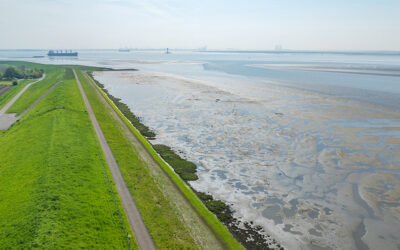
Channel & Shoreline Protection: Permanent Mats Reinforcing Nature’s Armor
Understanding Channel & Shoreline Erosion Fast-flowing water is one of nature’s most powerful eroding forces. Channels, streambanks, and shorelines endure continuous hydraulic pressure - from steady currents to periodic floods and wave action. When unprotected,...

Erosion Control Blankets: Safeguarding Slopes, Seeding New Growth
Understanding Soil Erosion and Why It Matters Soil erosion is the process by which topsoil is worn away by wind or water, often accelerated by construction, agriculture, or loss of vegetation. Uncontrolled erosion can have serious impacts on both nature and...