


Elastomeric Netting
The Ultimate Stretch Engine for Breathable, Flexible Composites.
Elastomeric netting is a rubber-like open mesh that serves as the stretch engine in advanced materials, providing high elasticity and snap-back recovery while remaining lightweight and breathable. It empowers manufacturers to create products that stretch comfortably without sacrificing strength or air permeability. Compared to traditional elastics like spandex or films, elastomeric netting offers superior breathability and moisture management (its porous structure allows heat and vapor to pass through) and can be tailored to achieve the desired stretch profile (hysteresis) for any application.
Delivering unrivaled stretch, recovery, and breathable comfort for next‑generation hygiene, medical, and apparel products.
Conwed’s Elastomeric Square Netting is the foundational material – an extruded elastic polymer net used in hygiene, medical, and apparel applications ranging from adult incontinence briefs and training pants to therapeutic wraps and athletic waistbands. This netting can be used on its own or laminated with other substrates to form
Elastic Composite Materials, combining the net with nonwovens or fabrics to create flexible composite structures that deliver exceptional fit, comfort, and durability in the final product. Together, these offerings enable companies to design superior elastic composites that meet demanding performance requirements – ensuring end products are soft, breathable, and able to move with the body without loss of support.
Conwed’s Elastomeric Products
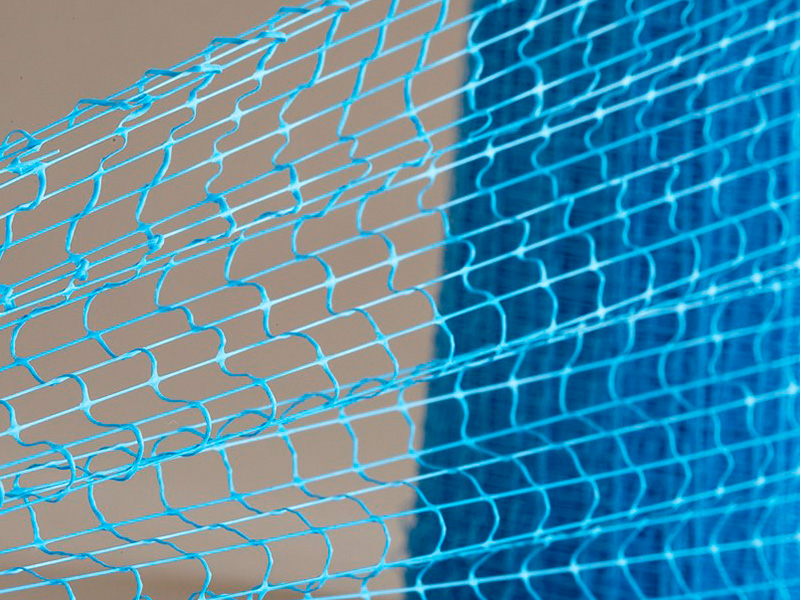
Elastomeric Square Netting
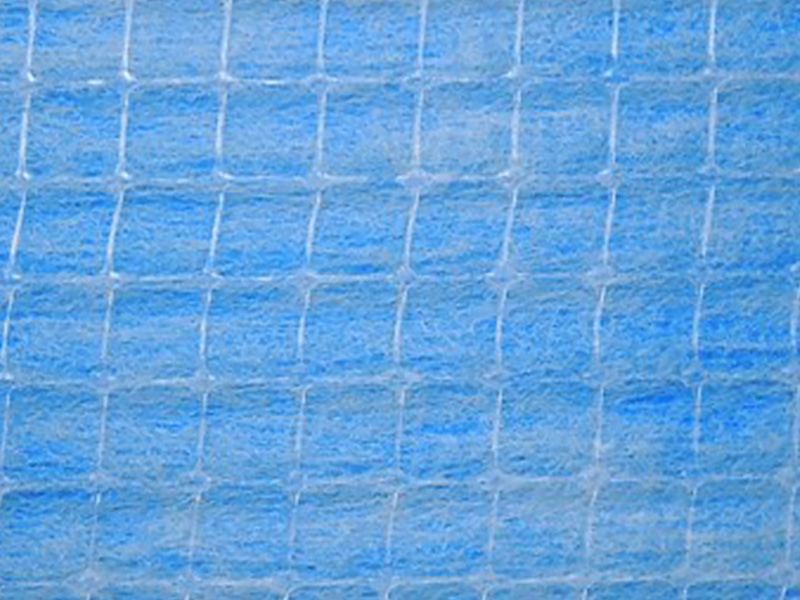
Elastic Composite Material

Sediment Control & Runoff: Fiber Rolls, Netting, and Sustainable Solutions
Understanding sediment runoff and its challenges When soil is disturbed by construction or land clearing, rain can turn it into a flowing mass of mud, carrying sediment into rivers, lakes, and storm drains. Sediment-laden runoff is a serious problem: it pollutes...
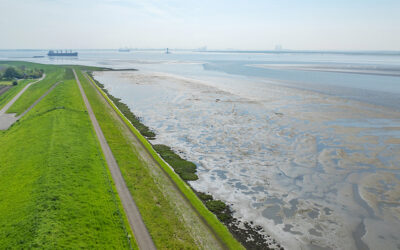
Channel & Shoreline Protection: Permanent Mats Reinforcing Nature’s Armor
Understanding Channel & Shoreline Erosion Fast-flowing water is one of nature’s most powerful eroding forces. Channels, streambanks, and shorelines endure continuous hydraulic pressure - from steady currents to periodic floods and wave action. When unprotected,...

Erosion Control Blankets: Safeguarding Slopes, Seeding New Growth
Understanding Soil Erosion and Why It Matters Soil erosion is the process by which topsoil is worn away by wind or water, often accelerated by construction, agriculture, or loss of vegetation. Uncontrolled erosion can have serious impacts on both nature and...

Custom‑Engineered Non‑Slip Rug Liner Netting
Tailoring Mesh Size, Thickness, Weight & Flexibility. Keeping rugs and mats securely in place requires more than a one‑size‑fits‑all solution. Different rug weights, floor types, and usage environments demand different performance characteristics. That’s why...
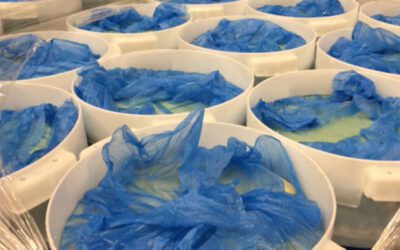
From Field to Packaging – The diversity of Netting & Mesh in Food Processing
From the moment raw ingredients leave the field to the final packaged product on the shelf, netting and mesh materials play unseen but essential roles throughout food processing. These versatile materials improve efficiency, product protection, hygiene, and...

The Three Core Functions of Furniture Netting
Modern upholstered furniture is made up of complex material systems: foams, fibers, fabrics, nonwovens, and structural components all working together. To ensure these materials perform reliably over the lifetime of the furniture, manufacturers rely on a versatile but...