


Reinforcement
Reinforcement Netting Solutions for Stronger, Lighter Products
When it comes to reinforcement netting, Conwed delivers superior strength in a lightweight form. Our advanced netting solutions add durability and support to your products without excessive weight, helping them perform under the toughest conditions.
.
Built for High-Strength & Low Weight
Conwed™ reinforcement netting boosts tensile strength in everything from heavy-duty packaging to technical composites. By integrating our netting, manufacturers can reduce overall product weight by up to 30% without sacrificing strength. This strength-to-weight advantage means your bags, films, and composites withstand stress and wear while remaining lightweight and cost-efficient.
.
Versatile Applications Across Industries that Require Reinforcement
- Industrial Packaging & Bags: Reinforce paper and plastic bags (e.g. pet food sacks) to prevent tears and bursting. The open mesh design adds strength while keeping packaging flexible.
- Nonwovens & Textiles: Integrate netting into medical wipes, cleaning pads, and hygiene products for improved tear resistance and product integrity. Netting adds strength inside nonwoven composites without adding bulk.
- Building & Construction: From house wrap laminates to roofing underlayments, our nets serve as an alternative to traditional scrims, imparting high tensile reinforcement in construction materials. They remain dimensionally stable even under temperature changes, ensuring durability in installations.
- Bedding & Furniture: Enhance mattress cushioning and furniture pads. A lightweight reinforcement mesh layer prevents foam and fiber fill from shifting or sagging, extending the life of cushions (e.g., carpet cushion reinforcement for padding stability).
- Agriculture & Turf: Strengthen turf rolls and sod with netting that allows roots to interlace, yielding thicker sod and more frequent harvests (as seen with competitors’ turf nets). Our netting also wraps and protects produce, letting air circulate to keep food fresh during transport.
Innovative Co-Extrusion Technology
Conwed’s proprietary co-extruded netting brings multi-layer strength in one step. Different polymer layers can be combined in a single net structure, allowing built-in adhesive properties or varied material characteristics. This means our netting can bond directly to fabrics, films, foams, or paper in your production process – potentially eliminating separate adhesive steps and simplifying manufacturing. For example, a co-extruded net with an adhesive layer can fuse to a paper or film substrate during lamination, saving time and cost. We continuously push the limits of this technology to customize the strength-to-weight ratio for your specific needs.
Why Choose Conwed Netting for Reinforcement?
-
- High Strength-to-Weight: Achieve the required product strength with minimal added material. Our nets offer exceptional tensile reinforcement without bulk.
- Durability: Engineered to perform under extreme conditions – heavy loads, abrasion, or heat – maintaining structure where other materials fail.
- Versatile & Customizable: Available in various configurations (square, bi-oriented, multilayer) to fit different applications. We tailor netting properties (material, mesh size, thickness) to meet your performance targets.
- Proven in Industry: Trusted across packaging, automotive, construction, and consumer goods sectors.
- Improved Efficiency: Incorporating our netting can streamline your production. Many customers find that using Conwed netting in laminates or composites speeds up processing and reduces material waste.
Markets where Reinforcement Nettings are needed
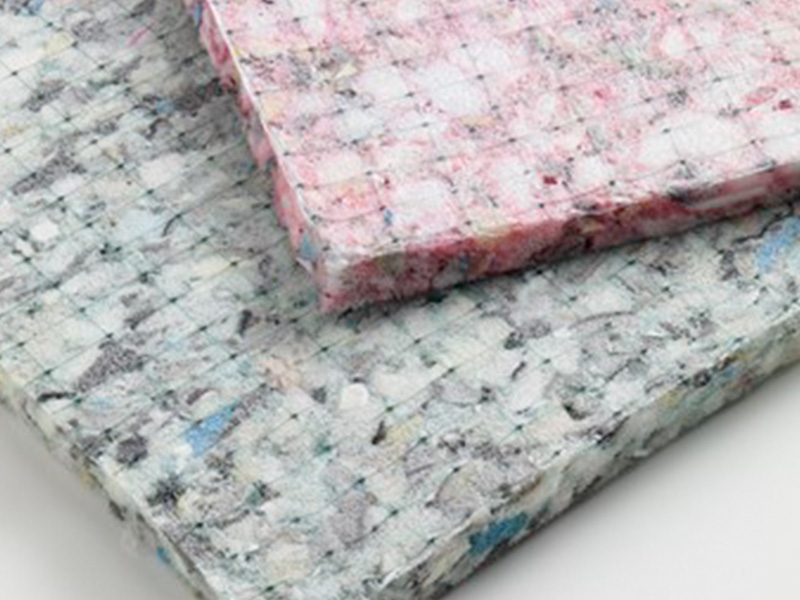
Carpet Cushion Reinforcement
Reinforcement netting for carpet cushion stability & durability
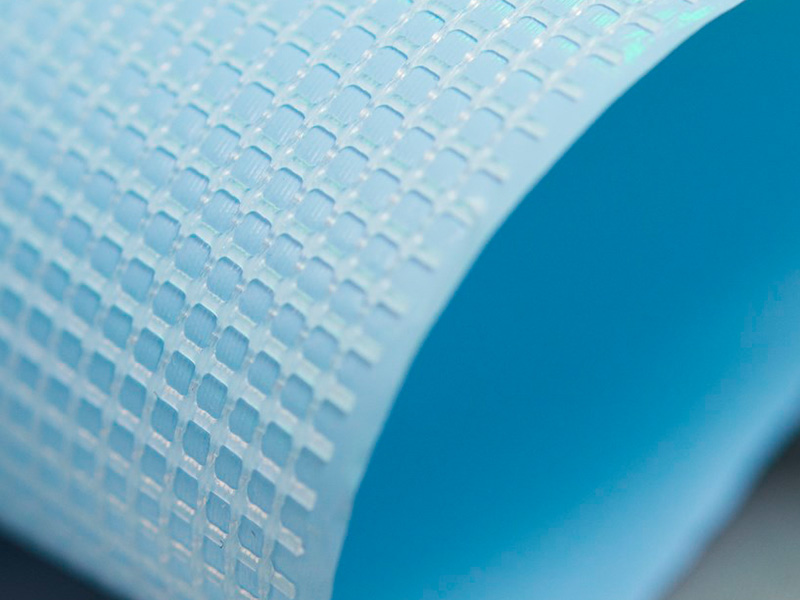
Bedding & Furniture
Netting used in mattresses and furniture pads for structural support

Apparel & Sportswear
Elastomeric netting for stretch, breathability, and shape retention

Plastic Fencing
Durable, lightweight fencing for safety, snow, and agricultural use

Nonwovens & Hygiene Textiles
Netting for wipes, cleaning pads, and hygiene products

Building & Construction
Netting for house wraps, roofing underlayments, and insulation
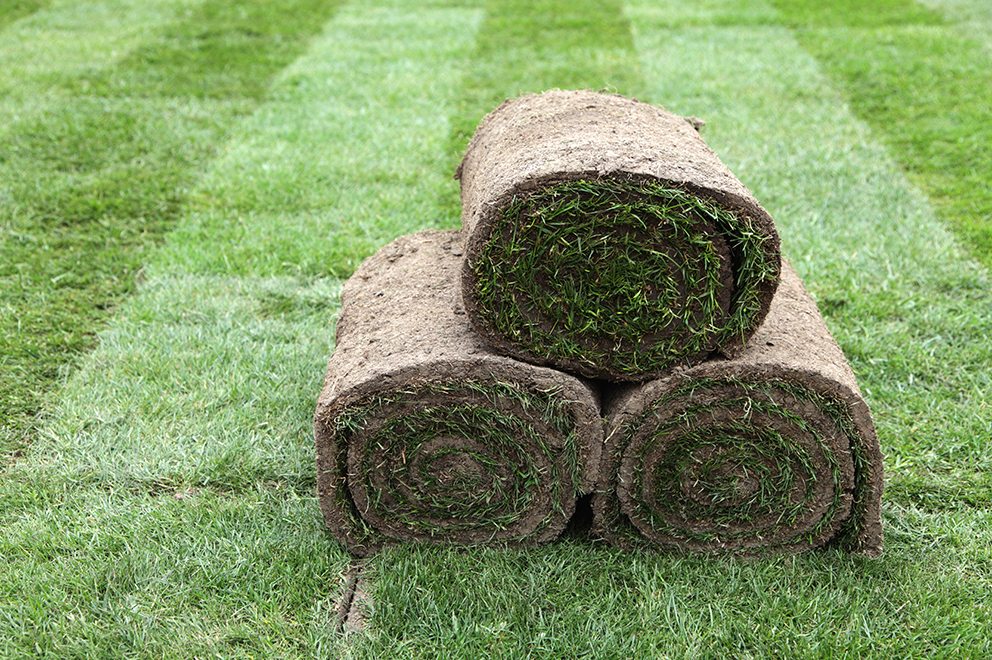
Agriculture & Turf
Turf reinforcement netting for sod strength and harvest efficiency
Conwed’s Products for Reinforcement
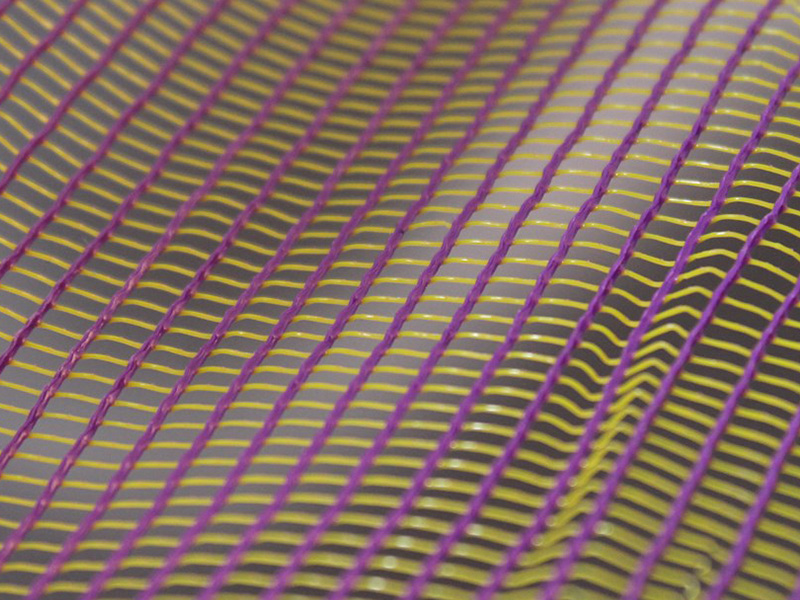
Bi-Component Netting
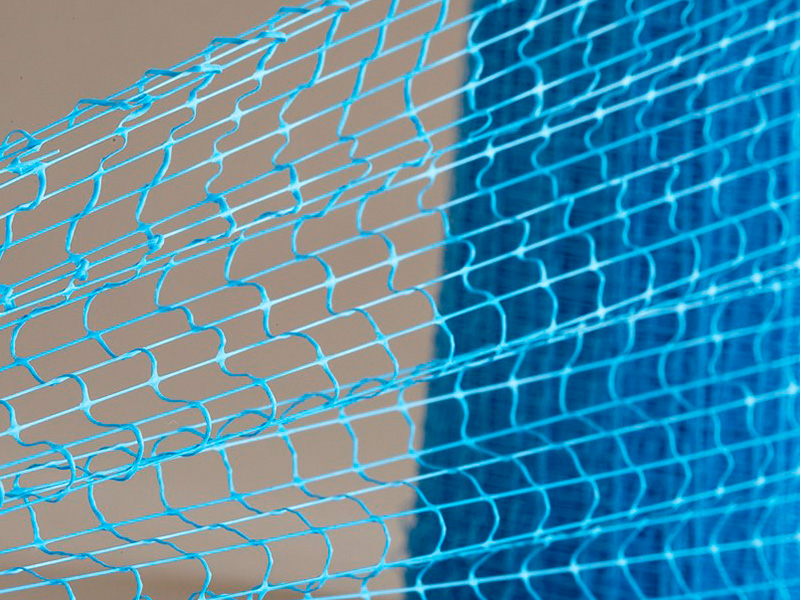
Elastomeric Square Netting
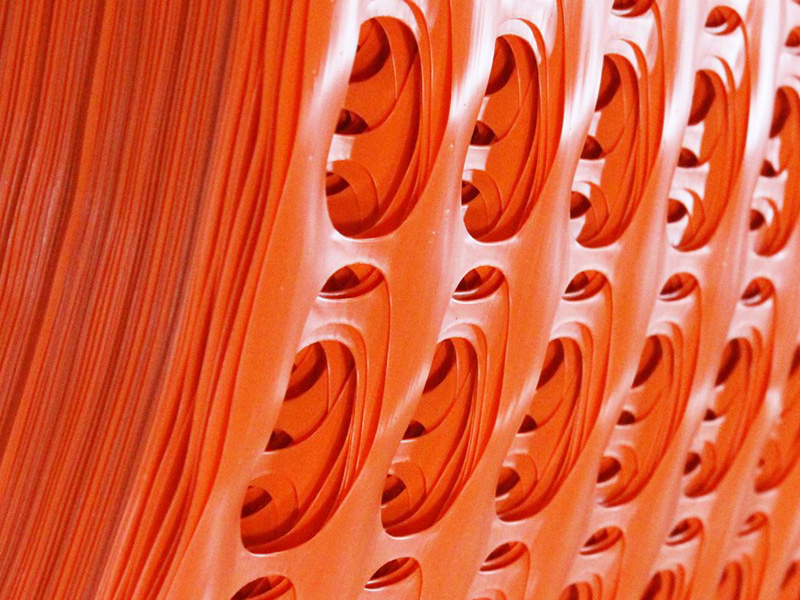
Flat Netting
Conwed™ Netting for Floor Mounting
Floor mounting with paver and wattle netting is a game-changer in creating stable, long-lasting surfaces. Ensuring enhanced sediment containment, soil stability and reduced downslope movement even during intense weather conditions, Conwed netting solutions for paver...

Revolutionize Your Turf and Sod Operations with Conwed’s Superior Netting Solutions
If you're in the turf and sod industry, you'll understand the importance of high-quality netting for harvesting and planting. Conwed™ Turf and Sod Netting is not just another product in the market, it's a game-changer. With its unique features and benefits, it's hard...
In Building and Construction Projects, Every Detail Matters
When it comes to building and construction, every detail matters. From the materials used to the final product's design, there's a constant quest for innovation and improvement. That's where Conwed™ Netting comes into play. This remarkable material offers a host of...

Erosion Control Benefits
Erosion Control is the process of preventing or controlling the erosion caused by wind or water in agriculture, land development, and construction. This is achieved by stabilizing the areas disturbed by grading operations and reducing soil loss due to water or wind...