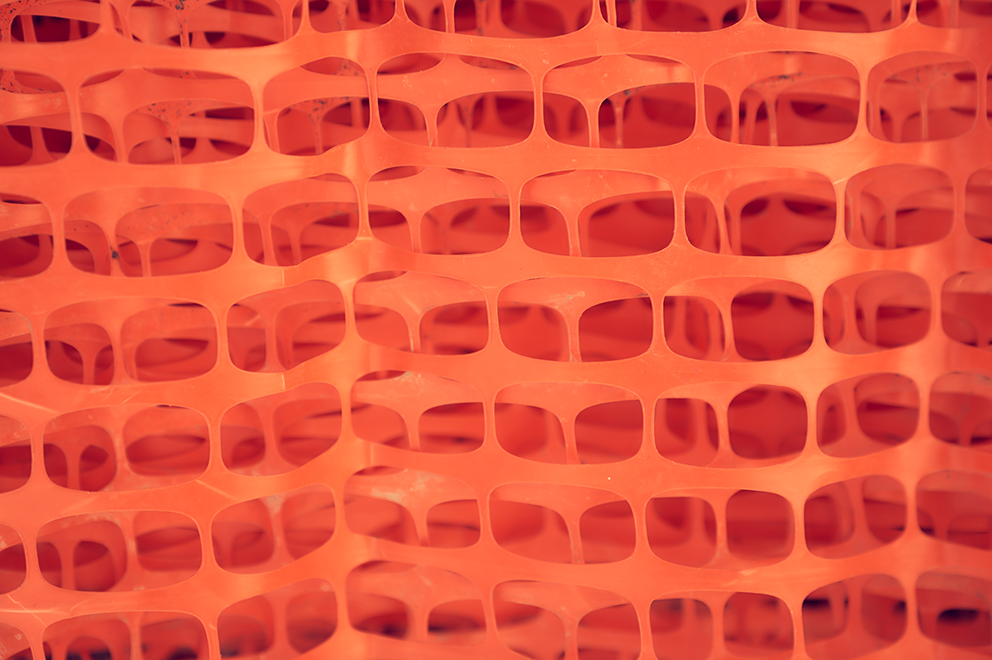
Aquaculture Nettings
Conwed™ Nettings offer superior performance for aquaculture applications.
Aquaculture, or aquafarming, is farming fish, crustaceans, mollusks, aquatic plants, algae, and other organisms. Aquafarming implies some form of intervention in the rearing process to enhance production, such as regular stocking, feeding, protection from predators, etc. Various containment materials are used for netting in aquaculture fish enclosures worldwide.
From containment to harvest, aquaculture sector farmers worldwide rely on Conwed™ Netting to protect their livelihoods. Our nets and mesh materials are selected for multiple reasons, including design feasibility, material strength, cost, and corrosion resistance.
Ideal Applications for Aquaculture Nettings:
- Oysters, mussels, crustaceans, and mollusk farming
- Shellfish and shrimp farming
- Aquatic plants and algae
- Marine organisms and cultures
- Fishing materials and accessories
- Shading and containment materials
Aquaculture netting or mesh is widely used in containment, protection, and packaging applications by fish, oyster, and clam farmers. Conwed aquaculture netting offers non-toxic, anti-rust, and chemical-resistant features with superior UV stabilizers for extended service life. Our USDA-approved netting is manufactured in the U.S. and available worldwide.
Performance
-
- Material strength
- Corrosion resistance
- Flexible
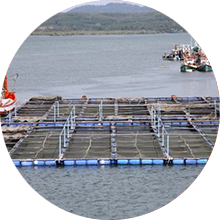
Containment Netting
Farmers prefer using our containment netting because it does not wear or tear as easily as other alternatives. It can be used to build cages, trays, grow-out bags, and more.
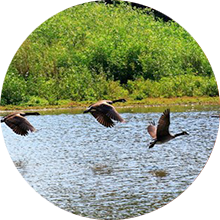
Protective Netting
Farmers use our durable and lightweight Conwed™ Protective Netting over ponds and other open-water areas to prevent egrets, herons, seagulls, and other birds from devouring their aquatic animal investment. In clam farming, our netting can be applied over seeded grow beds in sub-tidal or inter-tidal zones to help protect clams from natural predators.
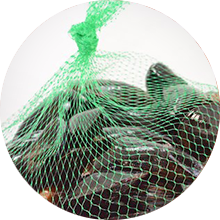
Aquaculture Package Netting
Conwed™ Netting Header Bags are used for retail packaging crabs, clams, and other seafood products. For convenience, shellfish can be steamed or boiled in the netting package.
Everything You Need to Know About Conwed’s Aquaculture Netting Solutions
Conwed aquaculture netting is a specialized plastic mesh designed to support aquaculture operations from farming to harvest. Below we answer common questions from fish farmers, shellfish growers, and aquaculture professionals about our netting solutions.
What is Conwed aquaculture netting, and what are its typical uses?
Conwed aquaculture netting refers to our line of durable plastic mesh nettings engineered for use in fish and seafood farming (aquaculture). These nets serve multiple purposes in aquafarming, including:
- Containment – Building fish cages, pens, trays, and grow-out bags that keep farmed species (fish, shrimp, oysters, etc.) safely enclosed. Farmers use Conwed containment nets to raise everything from finfish to shellfish without the netting ripping or releasing their stock.
- Protection – Providing predator exclusion and crop protection. For example, lightweight bird netting can be stretched over ponds or tanks to stop birds (e.g. egrets, herons, seagulls) from preying on fish. In shellfish farms (like clam beds), our nets cover seed beds to guard against crabs and other predators. The netting’s strength and rust-proof design make it ideal for both above-water and underwater barriers.
- Harvesting & Packaging – Serving as aquaculture packaging netting for handling and shipping seafood. Conwed produces mesh “header bags” used to package live crabs, clams, mussels, etc. for retail. These mesh bags are safe for cooking (shellfish can be steamed or boiled directly in the netting) and are strong enough to hold the catch without tearing. The netting’s flexibility also makes it easy to cinch or clamp for secure packaging.
In short, Conwed aquaculture nets are widely used across the aquaculture industry for containment, protection, and even packaging applications – from oyster and mussel farming to fish hatcheries and aquatic plant cultivation. Farmers around the world rely on our nets to protect their stock throughout the rearing process, from initial grow-out to harvest and transport.
What are the key features and benefits of Conwed’s aquaculture netting?
Conwed aquaculture netting is built to deliver superior performance in marine and aquatic environments. Its key features and benefits are summarized in the table below:
In summary, Conwed nets combine strength, durability, and safety. They are tough enough to endure active farming, non-corroding in water, UV-stable outdoors, and non-toxic for livestock and farmers. These qualities translate into reliable day-to-day performance and a netting product that protects your investment (the fish or shellfish) effectively.
How durable are Conwed’s aquaculture nets? Will they hold up over time?
Yes – these nets are extremely durable and built for long service life. Conwed aquaculture netting is formulated for longevity in harsh aquatic conditions. Several factors make it long-lasting:
- UV and Weather Resistance: The nets incorporate UV stabilizers so that sunlight and ultraviolet exposure won’t cause rapid deterioration. Even after continuous outdoor use, the material retains its strength and flexibility instead of cracking or weakening. This is important for fish cages or oyster bags that may be exposed to sun and weather for months or years.
- No Rust or Rot: Because the netting is made from polymer (plastic) rather than metal or natural fiber, it will not rust, rot, or corrode. In saltwater environments, metal mesh can rust quickly – but Conwed’s polypropylene/polyethylene construction is impervious to salt and water, eliminating corrosion issues. The netting also doesn’t absorb water, so it avoids rotting or mildewing as a rope or fabric might.
- Tear and Impact Resistant: Our nets are engineered with high tensile strength. Farmers report that Conwed containment nets “withstand harsh conditions and heavy loads without tearing”. This means the mesh can handle the thrashing of large fish, the weight of marine growth, or the stress of being dragged/lifted during harvesting, all while remaining intact.
- Extended Service Life: Thanks to the above factors (UV resistance, no rust, strong polymers), Conwed aquaculture nets typically last for multiple seasons of use. The superior durability is explicitly designed to give an extended service life in aquaculture operations. In practice, this reduces how often you need to replace nets, saving costs and labor over time. Many users reuse the same nets year after year.
- Easy to Clean and Reuse: The netting’s chemical resistance means you can wash, disinfect, or even pressure-wash the nets when needed (for example, to remove algae or biofouling) without damaging the material. They tolerate common cleaning agents and high-pressure hoses. This makes it practical to reuse the nets for consecutive crop cycles or harvests, further extending their usable life.
Overall, Conwed aquaculture netting is built to last in demanding environments. Whether in freshwater or marine farms, the nets retain their integrity over time. By investing in a quality net that doesn’t need frequent replacement, you get more value and reliability in the long run.
Can Conwed provide aquaculture netting in custom sizes or configurations?
Absolutely. Conwed offers a high degree of customization for our netting products to ensure they meet your specific needs. We understand aquaculture operations can vary widely in scale and requirements – from small oyster bags to large offshore fish pens – so we can tailor the netting accordingly:
- Mesh Size & Aperture: We manufacture netting with a broad range of mesh opening sizes. Apertures can range from very fine (around 0.025″, or ~0.6 mm) to very coarse (up to 4″, or 10 cm), depending on whether you need to contain tiny shrimp larvae or full-grown fish. This means you can get the optimal mesh – small enough to retain your stock (or exclude pests) but large enough to allow good water flow.
- Netting Thickness & Strength: The strand thickness and polymer formulation can be adjusted to provide the strength you require. We offer everything from lightweight, flexible nets to heavy-duty, reinforced meshes. For example, if you need tougher nets for larger species or high-flow environments, we can use a thicker strand or multilayer net design for extra robustness. If you need more flexibility, we can produce thinner, more pliable nets.
- Dimensions (Width & Length): Conwed can supply nets in various sheet widths and roll lengths. Our extrusion and orientation technology supports netting widths up to about 20 feet (6 m) in a single piece, which is useful for large enclosures or pond covers. You can also specify the panel size or roll length that fits your installation, reducing the need for splicing multiple nets.
- Materials & Additives: We have a “polymer toolbox” and can use different plastics or additives as needed. While our standard aquaculture nets are made from high-quality polypropylene or polyethylene (which are food-safe and UV-stable), we can also incorporate special additives or use alternative resins. For instance, if a certain color is preferred for visibility or camouflaging, we offer up to 40 standard colors (and custom colors on request) for the netting. We can add extra UV inhibitors for extremely sunny locales, or other modifiers. Our engineers will work with you to choose the right material properties for your application.
- Custom Shapes & Integration: If your project needs nets cut to particular shapes or combined with other components (like flotation collars, weights, or frames), we can assist with that as well. The netting can be easily cut and seamed, and we can advise on attachment systems. Conwed often develops tailored netting designs for unique challenges – our team has decades of experience crafting custom net solutions.
In short, Conwed can produce aquaculture netting to your specifications. Whether you require a non-standard mesh size, a special material, or a specific roll dimension, we will accommodate those needs. Our goal is to provide a net that fits your environment and optimizes your operation’s performance. Don’t hesitate to discuss custom requirements with us – we pride ourselves on customer-specific solutions.
Are Conwed’s aquaculture nets safe to use with fish, shellfish, and in food production?
Yes. Conwed aquaculture netting is designed to be safe for both your livestock and consumers. We use food-grade, non-toxic materials and our nets meet rigorous safety standards for aquaculture. Here are a few points on safety:
- Chemical Inertness: The plastic polymers used (such as polypropylene) are chemically inert – they won’t react with water or leach any harmful chemicals into the environment. This means the nets do not contaminate your tanks or ponds. Fish and shellfish can come into direct contact with the netting without any risk of toxicity. Water quality remains unaffected.
- No Coatings or Treatments to Flake Off: Our nets are a single-material construction and contain no toxic coatings, paints, or additives that could peel away. Some metal nets are galvanized or coated to prevent rust, but those coatings can sometimes introduce heavy metals or flake into the water. Conwed nets avoid that issue entirely by being made of stable polymers throughout.
- USDA-Approved for Food Use: Conwed’s aquaculture mesh is USDA-approved, indicating it has passed the U.S. Department of Agriculture criteria for use in food-related applications. This is especially relevant for nets used in harvesting or packaging edible seafood (like the mesh bags for shellfish). USDA approval gives an extra layer of assurance that the net material is safe for handling food products and is sanctioned for aquaculture and seafood processing.
- Safe for Aquatic Animals: Beyond being non-toxic, the net’s smooth plastic construction is gentle on fish and shellfish exteriors. There are no sharp metal wires or splinters. For instance, as fish rub against the net, they are less likely to suffer abrasions than they might with rough metal mesh. The netting also does not snag scales or gills easily due to its uniform flexibility.
- Compliance with Regulations: Using Conwed nets can help ensure your operation complies with food safety and farming regulations. Many jurisdictions require materials in contact with food (which includes water for live seafood) to be food-safe. Since our nets are purpose-built for aquaculture, they help you meet those standards. They have been used in certified organic aquaculture operations and in hatcheries that must maintain pristine water conditions, with great success.
Overall, you can be confident that our aquaculture nettings will not harm your stock or consumers. They have no adverse effect on fish health or growth, and they keep your operation in line with food safety requirements. If you need documentation for any regulatory body (such as material specifications or safety data), Conwed can supply that information to support your usage.
Closing the loop for a circular economy – PCR netting for packaging
Did you know we offer a netting made from up to 30% post-consumer- recycled plastics? Close the loop with Conwed’s post-consumer-recycled plastic netting. Get the same strength and reliability you trust, while reducing your product carbon footprint and meeting EPR...
Learn more about our portfolio in Agriculture
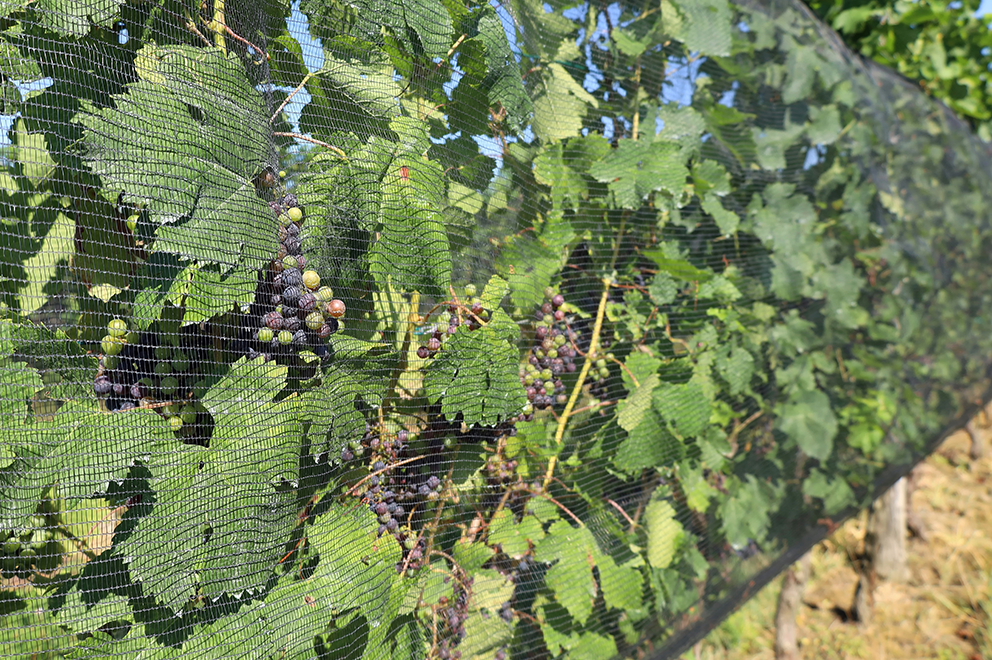
Crop & Animal Protection Netting
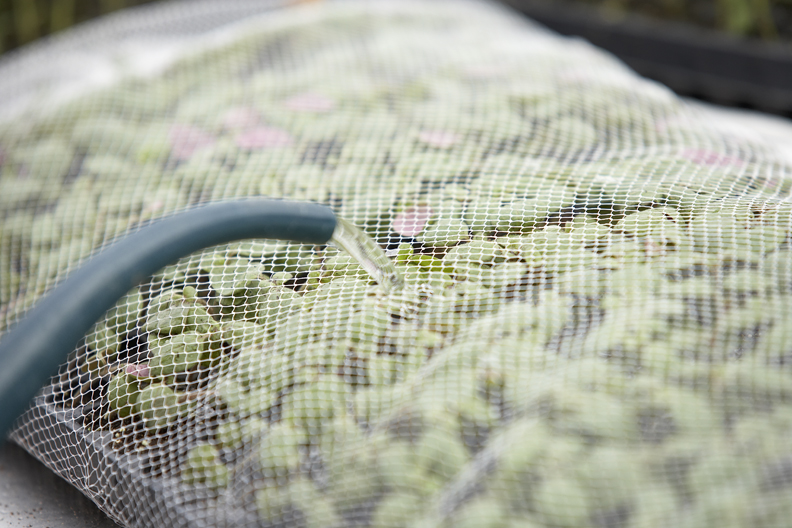
Garden & Nursery Netting
Hay Bale Netting
Tree & Shrub Netting
Turf & Sod Netting