


Resin Infusion in Composites with Conwed™ Flow Media
Resin infusion – also known as vacuum infusion – is an advanced process for manufacturing composite materials. It involves placing dry reinforcement (like fiberglass or carbon fiber) in a mold, covering it with a vacuum bag, and then using vacuum pressure to draw liquid resin through the fibers. The result is a strong, lightweight, and high-quality composite part, as the vacuum ensures the resin thoroughly wets out the fibers without trapping air bubbles. This technique has gained prominence across industries – from aerospace and automotive to marine, wind energy, construction, sports & leisure, industrial equipment, and transportation – because it produces parts with excellent structural integrity and optimized weight.
Conwed™ Flow Media is an extruded netting specifically engineered to enhance the resin infusion process. As a leading manufacturer of extruded netting (a Mativ brand), Conwed provides a high-performance resin flow media that sits on top of the fiber layup inside the vacuum bag. This flow media creates fast-flowing channels for the resin and ensures uniform infusion across the entire part. In practical terms, Conwed’s Naltex™ extruded netting acts as a resin distribution medium, helping composite manufacturers infuse parts faster, with less resin waste, and with greater consistency. It’s used in demanding applications ranging from wind turbine blades and aircraft components to automotive body panels and boat hulls, where quality and efficiency are paramount.
Key Benefits of Conwed in the Resin Infusion Process:
- Improved Material Properties: Infusion yields composites with high fiber content and low void content, translating to strong, lightweight parts. The controlled impregnation makes parts structurally robust yet light, meeting stringent performance demands in aerospace, racing, etc..
- Cost and Waste Reduction: Because resin is pulled in only as needed, there’s minimal excess. Resin infusion uses a precise amount of resin, reducing material waste compared to hand lay-up or open molding. (Excess resin stays in feed lines and flow media, not in the part.)
- Better Consistency and Quality: Vacuum pressure distributes resin evenly, so complex or large parts get uniform resin saturation. This consistency reduces the risk of dry spots or air voids, improving part quality and reducing rejects.
- Cleaner, Safer Operation: It’s a closed process – fumes are contained, and workers have less direct contact with resin. This makes for a more environmentally friendly and worker-friendly setup.
- Large and Complex Parts: Infusion is ideal for very large components (e.g. wind turbine blades over 50 m, boat hulls) where hand lay-up would be challenging. The vacuum-driven flow can cover big areas and complex shapes reliably.
- Cost-Effective Tooling: Unlike some high-pressure molding methods, vacuum infusion uses relatively simple molds and vacuum equipment. This lowers tooling costs and makes advanced composites manufacturing accessible for many applications.
- Use of High-Viscosity or Slow Curing Resins: Infusion allows using resins that might be too thick for other processes, since the vacuum can still draw them in. Manufacturers can choose resins with longer working times or special properties and still fully wet out the fibers.
Conwed™ Flow Media – Optimizing the Infusion Process:
While resin infusion is powerful, it relies on a good flow distribution medium to work best. Conwed™ Flow Media is a specialized extruded plastic netting (Naltex™ diamond mesh) designed exactly for this purpose. It is placed on the part during layup to ensure resin quickly and evenly permeates every corner of the fiber reinforcement.
What makes Conwed’s flow media special? Unlike some traditional flow meshes (often woven fabrics), Conwed’s product is extruded – not woven. This gives it unique advantages for manufacturers:
- Up to 15% Less Resin WasteConwed’s optimized mesh geometry retains up to 15% less resin than leading traditional flow media. Less resin held in the mesh means more resin ends up in your part and less is wasted, directly translating to material cost savings and lighter final components.
- Faster, Uniform Resin Flow
The bi-planar diamond net design creates consistent channels that speed up resin infusion across the entire layup. This ensures quick, even wet-out of the fibers, shortening fill times and mold cycle times. Manufacturers see improved production efficiency and can use higher-viscosity resins without issue. - No Fraying or Fiber Shedding
Being extruded plastic, Conwed’s netting will not unravel or shed fibers the way woven flow mats can. There are no loose strands to contaminate the laminate. This also means cleaner handling and no risk of stray fibers causing defects or equipment issues. - Flexible, Bag-Safe Edges
The flow media’s edges are engineered to be smooth and flexible, preventing the sharp edge issues of some meshes. They protect sensitive vacuum bags and peel-ply from tearing during lay-up and vacuum draw. You get a reliable infusion without bag punctures or resin leaks at the edges.
Performance of Conwed's Flow Media in Resin Infusion
-
- Processability
- Chemical resistance
- Conformability
- Durability
- Ease of fabrication
- Solvent-free Resin infusion
Surface Veils for Composites
Our sister company GESSNER provides Craneglas™, a glass wet-laid nonwonven media. Learn more at the website of GESSNER.

Aerospace
Aircraft parts (e.g. fairings, radomes, interior panels)
Our Flow Media ensures void-free, high-strength laminates for safety-critical parts; supports use of high-temp resins for performance. Netting channels resin uniformly through complex shapes (e.g. curved fairings) for consistent quality. Lightweight infusion helps meet strict weight targets in aerospace designs.

Automotive
Car body panels, structural components, race car monocoques.
Naltex™ Speeds infusion in production of auto components, allowing higher throughput for volume manufacturing. Results in lightweight, high-strength parts that improve vehicle efficiency. Reduces resin waste, lowering cost per part – critical for automotive margins. Ensures uniform resin fill in large panels (hoods, roofs) to avoid weak spots.

Marine
Boat hulls, decks, ship components (fiberglass or carbon fiber)
Our netting ensure an uniform resin distribution across large surfaces like hulls and decks prevents dry spots, ensuring hull integrity. Fast flow shortens the lengthy infusion times for big parts, boosting productivity. Less resin waste means lighter boats – improving speed and fuel efficiency while maintaining strength. Flexible netting won’t puncture the vacuum bag on complex curved hull molds.

Wind Energy
Wind turbine blades and nacelle covers
Rapid resin flow in very large molds – critical as wind blades often exceed 50+ meters. Conwed flow media consistently spreads resin tip-to-tip, preventing premature gel areas on huge blades. This avoids dry laminate sections and ensures structural integrity. Up to 15% resin savings is huge at blade scale, making blades lighter (higher power-to-weight) and saving cost. Global supply and QA support the stringent requirements of leading blade OEMs.

Construction
Architectural panels, composite rebar, bridge components
Conwed flow media helps to produce building panels and structural elements with full fiber wet-out, crucial for load-bearing performance. Ensures large-area infusions (e.g. façade panels, roof sections) cure without voids or weak zones. Flow media’s controlled resin feed yields consistent part thickness and strength, important in construction for safety compliance. Efficient infusion lowers labor and material waste for prefab composite elements.

Sports & Leisure
Sporting goods (e.g. surfboards, bicycle frames, kayaks, hockey sticks)
Our Flow media Improves finish and performance of recreational composites – uniform resin infusion means no dry patches that could cause weak points in a surfboard or bike frame. The no-fray net keeps the resin and fiber clean (no contamination), resulting in a smooth, high-quality surface ready for clear-coating. Also enables manufacturers to easily infuse complex shapes like surfboard fins or curved bike frame sections with confidence in strength.
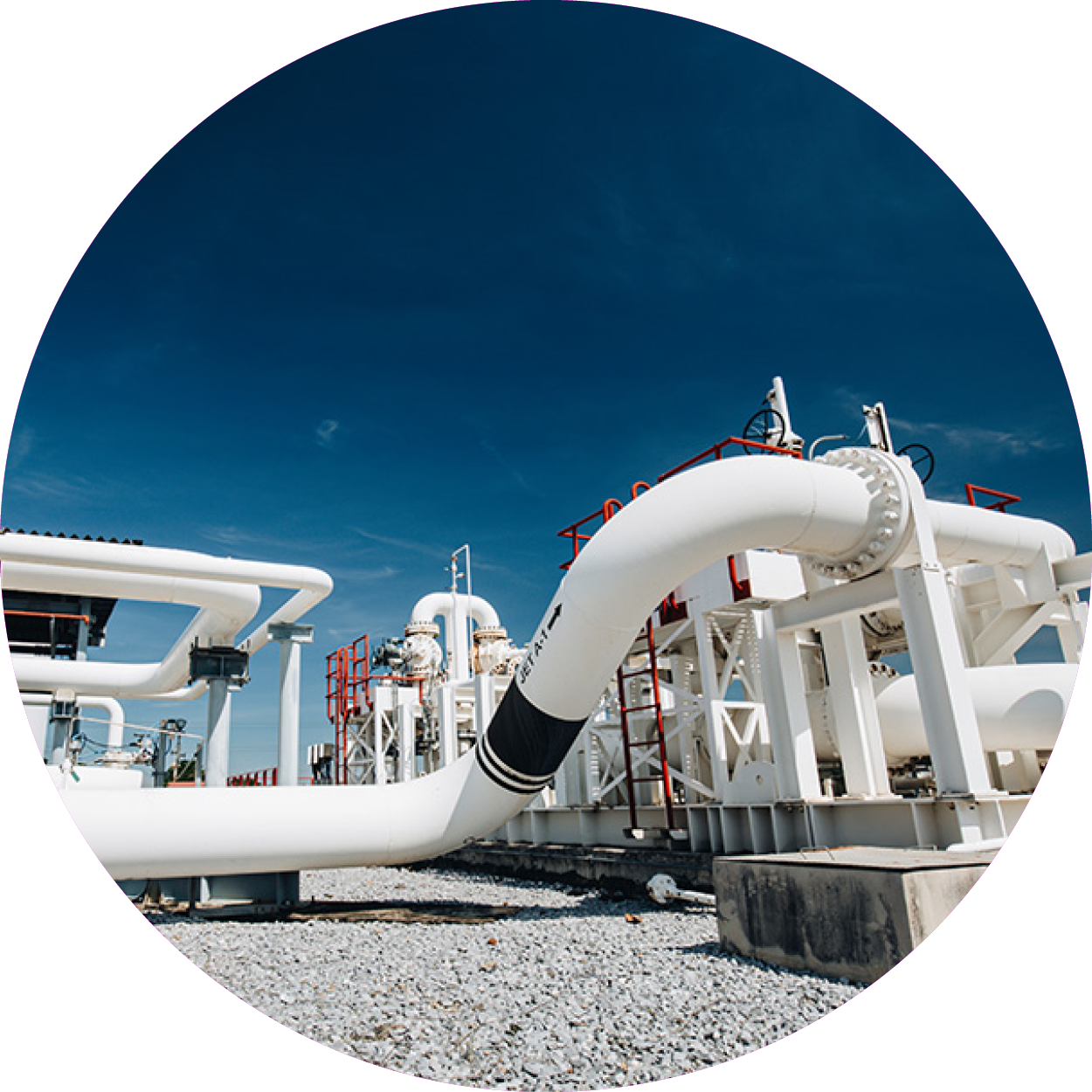
Industrial
Industrial equipment housings, pipes, tanks, tooling molds
Our netting facilitates quick infusion of thick or multi-layer laminates used in industrial settings (e.g. corrosion-resistant chemical tanks or heavy machine covers). Ensures resin reaches all layers of reinforcement in tools or molds, which is vital for durability and longevity. The controlled resin flow prevents excess resin pooling, so parts cure with optimal resin/fiber ratio – combining strength with weight savings for easier handling and installation in factories.

Transportation
Mass transit components (train/bus panels, truck cabs), marine transport
The flow media allows large-scale composite transit parts (like train carriage panels or bus roofs) to be made with uniform quality. The fast infusion enabled by the flow mesh shortens production time for big transit parts, making composites more viable against metals. Parts come out lighter (improving fuel efficiency) and with fewer defects, meeting the safety and longevity demands of transportation applications. Conwed’s netting also supports multi-infusion setups for very large parts (e.g. sections of a railcar body), maintaining consistent flow across joined sections.
Engineered netting for flow channels for air & liquid
Flow channels might not be the first thing that comes to mind when you think about advanced materials, but these engineered pathways are quietly enhancing applications across a wide range of industries. When combined with specialized netting materials, flow channels...

Naltex™ Flow Media – Fully Optimized Resin Infusion in VARTM for Wind Turbine Manufacturing
Harnessing Resin Infusion for Wind Turbine Manufacturing With global efforts centered on transitioning to renewable energy, the demand for innovative and efficient fabrication methods in the wind energy sector has never been greater. By combining cost-efficiency with...

Meet Our Team at JEC World 2025 – Leading Innovation in Composites
From March 4–6, 2025, the world of composites will converge in Paris for JEC World—the premier international composites show. At Conwed, we’re excited to showcase our cutting-edge materials and solutions that are shaping industries like wind energy, marine, sports,...
Conwed™ Presents Advanced Naltex™ Nettings for Composite Fabrication Applications at JEC in Paris
Minneapolis, MN, USA – January 2025 – Conwed, a Mativ Brand, is a global leader in industrial netting solutions and proud to present the Naltex™ Resin Distribution Netting, an innovative flow media designed to optimize composite fabrication processes such as VARTM...